Does a New Roof Increase Home Value? A Southern California Roofer’s Honest Answer
Yes. A new roof raises what your home appraises for and what a buyer will pay, and it clears one of the most common reasons a sale falls apart. The most recent Remodeling Cost vs. Value data puts the resale recoup on a new asphalt shingle roof at about 60 percent of the install cost, and the rest of the payback comes from a faster sale and fewer price cuts at the inspection table.
Here is the part the national articles skip. That math was measured on a shingle roof in an average market. In the Coachella Valley, Riverside County, and inland Orange County, the sun does more damage, tile is everywhere, and low-slope roofs are common. All three change the answer. I have inspected roofs across Southern California since 1992, and the desert version of this question rarely matches the number you read on a real estate blog.
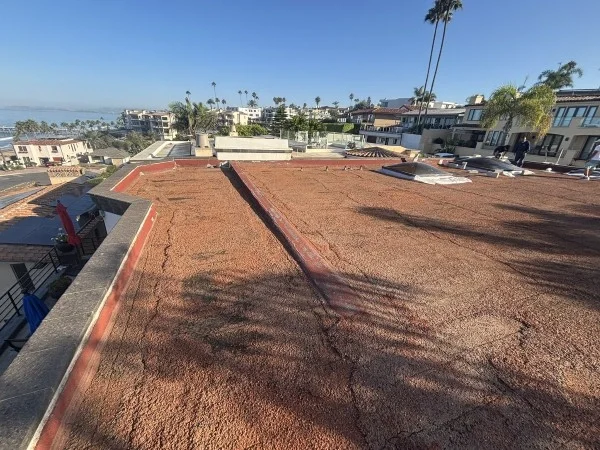
Does a new roof increase home value?
A new roof increases home value in two ways. First, an appraiser rates roof condition as part of the home’s overall score, and a roof with decades of life left moves that score up. Second, buyers read a clean roof as proof the home was cared for, which shortens the mental list of what else might be wrong.
Both effects hit harder here than the national average suggests, because the roof is the part of a Southern California home that takes the most abuse. A buyer standing in a Palm Desert driveway in July is already thinking about the roof. Give them a new one and you remove the first doubt they walk in with.
How much value does a new roof actually add?
A new roof adds real value, but the single dollar figure you have seen quoted is out of date. Plenty of articles repeat that a new roof adds “$15,247” to resale value. That number comes from an older edition of the Cost vs. Value report, paired with a much higher project cost than those same articles admit. Recent editions show the recoup closer to 60 percent of cost for asphalt shingles and closer to 48 percent for metal. Use percentages, not a stale flat number.
In dollar terms, the absolute gain is bigger here than in most of the country, because home prices are higher. A 65 percent recoup on a roof for a $900,000 Palm Desert home returns more cash than the same percentage on a $300,000 home in a cheaper state. The percentage looks similar. The dollars do not.
| Roof type | National installed cost (ballpark) | Resale recoup | Typical lifespan |
|---|---|---|---|
| Architectural asphalt shingle | $6,000 to $20,000 | about 60% | 25 to 30 years |
| Standing seam metal | $10,000 to $36,000 | about 48% | 40 to 70 years |
| Concrete or clay tile | Higher, varies by home | Thin public ROI data | 40 to 100+ years |
National ranges for planning, not a quote. Your real number depends on roof size, pitch, material, and access.
What is the ROI on a new roof, really?
Plan on recovering roughly 60 percent of an asphalt roof’s cost in the sale price itself, then earning the rest back in ways that never show up in a recoup chart. That second bucket is where sellers actually come out ahead.
A failing roof hands the buyer a negotiating tool. Once an inspector writes “roof at or near end of life, replacement recommended,” the buyer stops asking for the real repair cost and starts asking for more, because they are taking on the project and the hassle. A sound roof takes that lever away. Homes that pass inspection cleanly also close faster and dodge the financing snags that stall a deal, and every extra week on the market costs you in mortgage, taxes, and utilities.
Here is my contrarian take, and I say it as the company that would rather sell you a roof. If your roof has five or more good years left, replacing it right before you sell usually loses money. You spend full price to recover about 60 cents on the dollar, and buyers rarely pay a premium for a roof that was not going to fail on their watch. A coating or roof rejuvenation or a credit at closing almost always nets more. Replacement earns its keep when the roof is genuinely at the end, or when it will block the buyer’s loan.
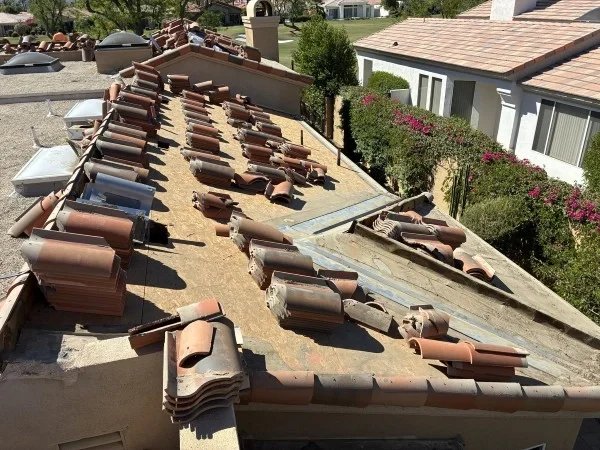
Southern California changes the roof-value math
Roof value here is not the national story, because the climate and the housing stock are different. Three local facts move the number in the desert and the inland valleys.
First, the sun is the enemy. Constant heat and UV in the Coachella Valley bake asphalt shingles and dry out the sealants and underlayment faster than the same roof would age in a mild coastal market. A “30 year” shingle does not always get 30 years in Palm Desert. Buyers who grew up here know it, and they price a tired roof accordingly.
Second, tile roofs mislead people. Concrete and clay tiles can last 50 years or more, so a tile roof often looks fine while the felt underlayment beneath it, the layer that actually keeps water out, has already failed. On a tile home, the value question is rarely the tile. It is the underlayment, the flashing, and the workmanship, which is why a proper tile roof repair or underlayment replacement can protect resale value without a full tear-off.
Third, low-slope and flat roofs are common on mid-century and desert-modern homes, and they play by different rules than a steep shingle roof. A flat roof near the end of its life is better served by a foam or coating system than by shingles, which do not belong on a low slope at all. Choosing the right material matters, and we compare local options in our guide to the best roofing material for Southern California.
One more local rule with teeth: California’s Title 24 energy code requires most new and replacement low-slope roofs to be cool roofs, and steep-slope roofs in the inland and desert climate zones, roughly zones 10 through 15, which include the Coachella Valley, must hit a minimum solar reflectance. If you replace a roof here, the material has to meet that standard. A cheap non-compliant job can surface as a red flag later.
Should you replace your roof before selling in 2026?
Replace before listing only if the roof is at the end of its life or is about to fail the buyer’s financing. Short of that, repair, recoat, or a closing credit usually wins. Run your roof through four checks.
Age against material. Architectural asphalt runs 25 to 30 years, three-tab closer to 20, per InterNACHI. Tile can pass 50 years while its underlayment does not. If you are near or past the material’s window, buyers and appraisers will flag it.
Financing risk. This is the check most sellers miss. FHA appraisals follow HUD’s rules, and a roof needs at least two years of remaining life with no active leaks, or the appraiser can require repair before the loan closes. You can read the standard in HUD’s FHA appraisal handbook. VA and many conventional lenders apply similar minimums. If a failing roof blocks financing, your buyer pool shrinks to cash offers, and cash buyers discount hard.
Visible condition. Missing shingles, slipped or cracked tile, granules in the gutters, ponding on a flat roof, or a water stain on a ceiling all tell a buyer the roof is a liability. Learn to spot the common roof damage a buyer’s inspector will flag before you list.
Local comps. If similar homes on your street sold with newer or freshly coated roofs, an obviously aged roof puts you behind. Check what recently sold nearby.
We turn those four checks into one answer with a Roof Health Check, a documented inspection with photos and a remaining-life estimate. That report tells you which path pays: a full replacement, a targeted repair, a coating, or a priced credit that lets the buyer handle it. Knowing when to replace a roof versus repair it is the difference between spending smart and spending twice.
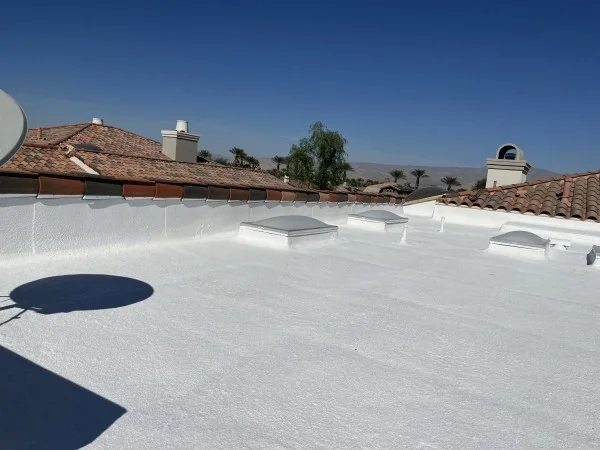
What roof color and material add the most value in the desert?
In a hot climate, a lighter, reflective roof both meets code and appeals to buyers who pay the cooling bills. Neutral tones stay the safe resale choice, and a cool roof carries an energy story that matters more here than almost anywhere.
Charcoal, gray, weathered wood, and other neutrals read as current and match the widest range of exteriors, so they protect resale value. Loud colors narrow your buyer pool. Beyond looks, reflective roofing lowers the heat that reaches the deck, and you can check compliant options against the ENERGY STAR list of cool roof products. I will not promise a specific dollar saving, because it depends on your insulation and home, but the direction is consistent in the desert. If heat is your main concern, our guide to energy-efficient roofing compares the options for local conditions.
Material should match the neighborhood. Tile belongs on a tile street. A foam or silicone-coated system fits a flat desert-modern roof. Standing seam metal suits some custom homes and handles wind and fire well.
How a new roof affects your appraisal, financing, and insurance
A new roof can lift the appraised value and remove financing and insurance obstacles that quietly kill deals. Appraisers fold roof condition into the home’s overall rating, and since the appraisal sets the ceiling a lender will finance, a better rating gives your price more room to hold.
On financing, the FHA two-year rule above is the one to respect, and VA and conventional loans apply their own roof minimums. A roof that fails these standards can force seller-funded repairs late in escrow, which is the weakest spot to negotiate from.
Insurance is the California wrinkle. Carriers here have grown strict on roof age and wildfire exposure, and some will not write a new policy on an older roof, or will only cover it at actual cash value instead of full replacement cost. A buyer who hits that wall during their loan process often comes back to you for a price cut. A documented newer or well-maintained roof, ideally with fire-resistant materials, keeps that door shut. If leaks are already in the picture, know how homeowners insurance treats roof leaks before you disclose.
How long do roofs last, and how do you prove it to a buyer?
Match the roof to its expected life, then hand the buyer proof. A buyer is silently doing the math on how many years of roof they are getting, and documentation turns your claim into a number they trust.
| Roofing material | Expected lifespan (InterNACHI) |
|---|---|
| Three-tab asphalt shingle | about 20 years |
| Architectural asphalt shingle | about 30 years |
| Standing seam metal | 40 to 70 years |
| Concrete or clay tile | 40 to 100+ years |
| Slate | 75 to 150+ years |
Desert heat, poor attic ventilation, and skipped maintenance pull these numbers down, so real-world life often trails the chart.
See our deeper look at how long a roof lasts in local conditions. The move that pays at resale is documentation: a dated inspection report, photos, the material and install date, and any transferable warranty. “We replaced the roof” is a claim. A written report with a remaining-life estimate is evidence, and evidence is what holds your price through the appraisal.
New roof, coating, or credit: common questions
Does a new roof increase home value in Southern California?
Yes. A new roof lifts the appraised value and removes a common inspection and financing obstacle. Recent Remodeling Cost vs. Value data shows an asphalt roof recoups about 60 percent of its cost at resale, and the absolute dollar gain runs higher here because local home prices are high. The rest of the payback comes from a faster sale and fewer buyer concessions.
How much value does a new roof add to a home?
Think in percentages, not a fixed dollar figure. Recent Cost vs. Value editions put the recoup near 60 percent of cost for asphalt shingles and near 48 percent for metal. A widely repeated $15,247 figure comes from an older edition and is out of date, so a local estimate tied to your roof size and material is more reliable.
Should I replace my roof before selling, or offer a credit?
Replace if the roof is at the end of its life or will fail the buyer’s financing. The FHA appraisal standard in HUD Handbook 4000.1 wants at least two years of remaining roof life and no active leaks. If your roof has five or more good years left, a repair, a coating, or a closing credit usually nets more than a full replacement.
Do tile and flat roofs affect home value differently than shingles?
Yes. Tile can outlast its underlayment, so a tile roof may look fine while the waterproofing beneath it has failed, which is why the value question centers on the underlayment and flashing. Flat and low-slope roofs, common on desert-modern homes, are better served by foam or coating systems than by shingles.
What roof color adds the most value in a hot climate?
Neutral tones such as charcoal and gray are the safe resale choice, and lighter, reflective cool roofs suit the desert. California’s Title 24 code requires most new low-slope roofs, and steep-slope roofs in the inland and desert climate zones, to meet a solar reflectance minimum, so a compliant cool roof is both a code requirement and a selling point.
How does a new roof affect my appraisal and insurance in California?
A new roof can raise the appraiser’s condition rating, which sets the ceiling a lender will finance. It also helps with insurance, since many California carriers are strict on roof age and wildfire risk and may decline an older roof or cover it only at actual cash value, sending the buyer back to renegotiate.
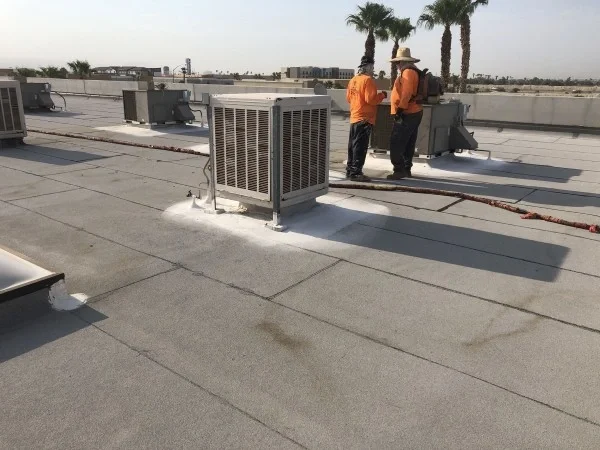
Not sure whether to replace? Start with a Roof Health Check
The replace, coat, or credit decision is not really about which one is better. It is about your roof’s remaining life, its type, and your local market, and that takes an inspection, not a guess from the ground. Book a free Roof Health Check and a Vision Roof Services inspector documents the roof and sends a written report with photos, usually within 24 to 72 hours, with a remaining-life estimate and the repair, coating, or replacement options priced out.
Dave Bienek founded the company in 2014 and has worked in roofing since 1992, and the crew has completed more than 7,000 roofs across Southern California, from Balboa Island homes to the Invisible House in Joshua Tree. Vision is BBB A+ accredited and holds a 4.8-star rating across 42 Google reviews in Palm Desert, and financing is available through Acorn Financing when replacement is the right move. You can schedule an inspection before you list, and you will have the paperwork to defend your price.