When To Replace Your Roof: 8 Signs It's Time
The short answer: replace your roof when the cost of repeated repairs outpaces the value they're buying you, or when visible deterioration puts your home at risk of water damage. For most homes in 2026, a full asphalt shingle replacement runs between $9,000 and $11,000 nationally based on 2026 industry cost data, though location and roof size move that number fast. This article covers the 8 clearest signs it's time, the repair vs. replace decision most contractors won't walk you through, and how your roof's age interacts with your insurance coverage in ways that can cost you thousands.
One thing this article won't cover: DIY replacement. Full residential roof replacement without professional installation voids manufacturer warranties, creates code violation exposure, and causes the kind of hidden damage that only shows up two winters later. I've seen the aftermath. It's not worth it.
Knowing when to replace your roof means watching for eight specific warning signs: shingles older than 20-30 years, widespread curling or cracking, granule loss, dark streaks or moss, storm or wind damage to multiple shingles, active leaks during the rainy season, and soft or sagging decking. When two or more of these appear together, repair is usually a short-term fix. Replacement is the better long-term investment.
How Old Is Your Roof? The Age Factor Changes Everything
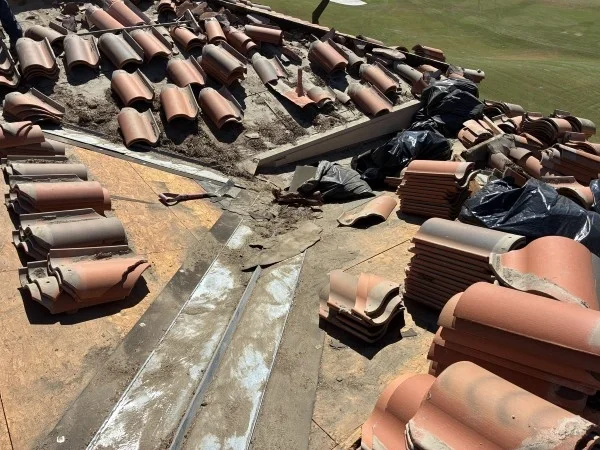
Age alone isn't a death sentence for a roof, but it's the single biggest factor in how seriously you should take every other sign on this list.
According to InterNACHI's Standard Estimated Life Expectancy Chart, architectural asphalt shingles last about 30 years, while three-tab shingles have a 20-year lifespan. Those numbers assume a quality installation, proper attic ventilation, and routine maintenance, and how long a roof lasts in practice can swing wide of the chart. I've seen 15-year-old roofs that needed full replacement and 28-year-old roofs that had another decade left, depending on where the home sits and how it was built.
The real risk with age is what's happening underneath. A 20-year-old roof in inland Southern California bakes under far more UV and heat than a coastal roof in the same county, and it ages faster for it. Years of Santa Ana wind stress and a few heavy rain seasons can leave decking soft long before a shingle looks bad from the street. If you bought your home without a roof history, a professional roof inspection is the only reliable way to know what you're working with.
Age also matters to your insurer. After the recent wildfire losses, California carriers have tightened hard on older roofs, and homes with roofs past 15 years are facing more inspections and non-renewal reviews than they did a few years ago. That's not a scare tactic. That's your policy at risk.
What Do Curling, Cupping, and Cracked Shingles Actually Mean?
Shingle deformation is the clearest visual sign that a roof is failing.
Cupping (edges curling upward) and clawing (middle buckling while edges stay flat) both mean the shingle has lost its shape integrity. Asphalt shingles are designed to lie flat. A flat shingle sheds water. A cupped or clawed shingle catches it. Wind gets under the raised edges and peels the shingle off faster than you'd expect, especially once straight-line winds hit 50-60 mph, the damage threshold the National Severe Storms Laboratory uses for wind damage classification.
Cracked shingles are a separate problem. UV exposure dries out the asphalt layer over years. Once cracking appears across large sections (not just one or two shingles), the roof has lost its uniform water barrier. You can patch cracks, but patching a roof with widespread cracking across multiple planes is like patching individual links in a rusted chain.
A handful of deformed shingles might be a repair. Widespread deformation across multiple roof planes means it's time to replace.
Granule Loss: The Warning Sign Most Homeowners Ignore
Granule loss is real deterioration, not just cosmetic wear. Don't let anyone tell you otherwise.
The granular coating on asphalt shingles does two jobs: it protects the asphalt layer from UV rays, and it helps shed water at a consistent rate. When granules disappear, the exposed asphalt dries, becomes brittle, and starts cracking. The roof ages faster.
You'll spot granule loss in two places. First, your gutters. After a rainstorm, check the downspout runoff. Granules look like coarse sand or small gravel pieces, often gray or brown. If your gutters are full of them after every storm, the shingles are shedding fast. Second, look at the shingles themselves from ground level or a second-floor window. Bald patches where the dark asphalt shows through mean the granule layer is already gone in those spots.
New shingles shed a small amount of granules initially. That's normal. Widespread granule loss on a roof that's 12+ years old is not.
Dark Streaks and Moss: When to Worry and When to Clean
Dark streaks are algae. Moss is something more serious. The difference matters.
Algae (Gloeocapsa magma) spreads across shingles in dark, streak-like patterns, feeding on the limestone filler in asphalt shingles. It's primarily an aesthetic problem in early stages, but it accelerates UV degradation over time. A professional cleaning can remove it. A roof maintenance plan that includes preventative treatment keeps it from coming back.
Moss is a different animal. Moss roots are more aggressive than algae. They work under shingles, lifting edges and breaking the waterproof seal. Moss also retains moisture against the shingle surface, which speeds granule loss and keeps the underlying material wet year-round. If moss coverage is light and recent, cleaning and treatment may be enough. If moss has been sitting for years and the shingles beneath it are soft or damaged, you're looking at replacement.
Lichen growth is the worst of the three. Lichen is a combination of algae and fungus. It bonds to the shingle surface, and removing it mechanically damages the granule layer. If you have significant lichen coverage on a roof that's already past the 15-year mark, replacement typically makes more financial sense than aggressive cleaning.
Does Roof Storm Damage Always Require Replacement?
Not always. But hail and wind damage are where homeowners lose money by guessing wrong in either direction.
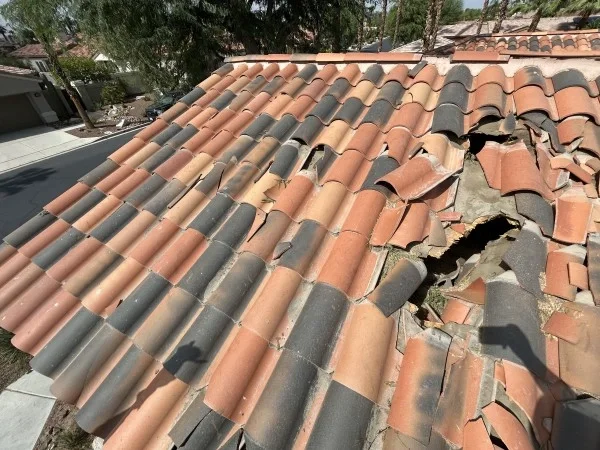
Hail damage is deceptive. A hailstorm that didn't blow any shingles off can still fracture the shingle substrate beneath the surface, leaving invisible cracks that funnel water straight to the decking. Visible signs include divots in the granule surface, bruising (soft spots when you press on a shingle), and cracked flashing. After any significant hailstorm, the smart move is a professional inspection, not a ground-level assessment.
Hail is rare in Southern California, but Class 4 impact-resistant shingles still earn insurance credits with many carriers, and they hold up better against wind-driven debris. For SoCal homeowners, the bigger storm threats are Santa Ana winds and wildfire embers. If your roof took wind damage, that event might be the natural trigger to upgrade to a fire-rated, wind-rated system while an insurance claim covers part of the cost.
Wind damage is more straightforward visually. Missing shingles leave the decking exposed. But shingles that stayed in place after a strong Santa Ana event may have broken the adhesive seal without showing obvious damage. Wind-driven debris, like palm fronds or tree branches, can also crack shingles in ways that aren't visible from the ground. If your area saw wind gusts over 60 mph, get on the inspection schedule.
A few missing shingles on an otherwise healthy, younger roof: repair. Widespread wind or hail damage on a roof that's already 18-25 years old: replace, and file the claim.
What Roof Leaks Are Actually Telling You
A leak is never just a leak. It's a signal that water found a path it shouldn't have.
The tricky part is that water doesn't travel straight down. A small opening near your chimney can show up as a water spot in the living room ceiling 12 feet away. I've done post-storm inspections where the homeowner pointed to a stain in their hallway, and the breach was on the opposite side of the roof. Water follows the path of least resistance through insulation, across rafters, and into drywall before it appears as a visible stain.
Start your investigation in the attic. After a heavy rainstorm, go up with a flashlight and look for dark patches on the decking, wet insulation, mold growth, or daylight coming through. Pay extra attention around penetrations: vents, chimneys, skylights, and pipe boots. These flashings fail before the shingles do in most cases.
Rainy season deserves its own paragraph. Southern California roofs sit dry for months, then get hit with concentrated winter storms, sometimes atmospheric rivers that dump weeks of rain in days. A roof that handled light drizzle fine can spring leaks under that volume, especially at worn flashings and aging valleys. If you're seeing interior water stains in January through March, that's your roof telling you the dry-season wear finally caught up with it.
One or two isolated leaks around a flashing point on a newer roof: repair and re-flash. Leaks appearing in multiple locations, or a single leak that keeps returning after repairs: the water is finding multiple entry points, which usually means the waterproof system is compromised broadly, not just at one spot.
Repair vs. Replace: The Decision Most Contractors Won't Walk You Through
Most homeowners frame this as a cost question. It's actually a probability question.
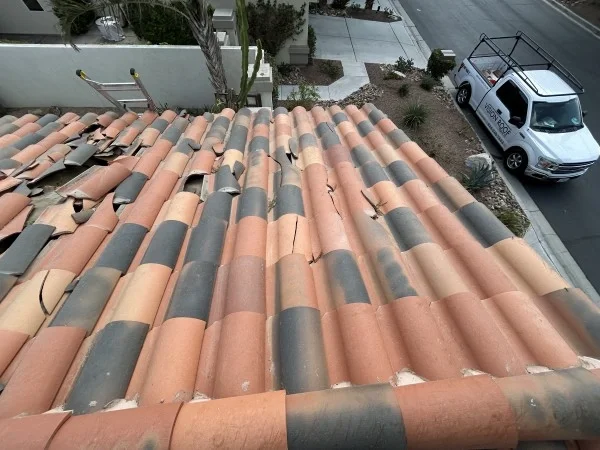
Isolated repairs make sense on a younger roof with one or two clear problem areas. The same patch job on a 22-year-old roof with granule loss across three planes, soft spots on the decking, and algae streaks everywhere is money toward a roof you'll replace in 24 months anyway. Piecemeal repairs on a broadly deteriorating roof consistently cost more in total than a timely full replacement would have.
The NARI 2025 Remodeling Impact Report found that a new roof earned a perfect joy score of 10/10 from homeowners and was recommended by 37% of realtors for pre-listing improvements. That's not sentiment. That's resale value showing up in real surveys.
| Scenario | Repair or Replace? | Ballpark Cost Range (2026) |
|---|---|---|
| Isolated storm damage, roof under 15 years old | Repair (with insurance) | $500-$2,000 (2026 industry data) |
| Widespread granule loss, roof 15+ years old | Replace | $9,000-$14,000 (2026 industry data) |
| Active leaks in multiple locations | Replace | $9,000-$14,000 (2026 industry data) |
| Storm damage, roof 20+ years old | Replace (file claim) | $9,500-$16,000+ (2025-2026 regional data) |
One hidden cost almost no article mentions: decking damage found mid-project. In 10-30% of replacements, the crew pulls shingles and finds rotted or soft sheathing underneath. That adds thousands to the project cost (Grok/trade forums, 2024-2026). Ask any contractor you're getting a quote from to walk you through their hidden-damage protocol before you sign anything.
Should You Replace Your Roof Before Selling Your Home?
In most markets, yes, if the roof has visible issues or is over 20 years old.
Buyers and their agents look at roofs first during inspections. A flagged roof becomes a bargaining chip for the buyer, not just an inspection note. The NAR 2025 data is clear: 43% of realtors reported increased buyer demand for homes with new or recently replaced roofs in the prior two years, and 37% of realtors actively recommend roof replacement for sellers preparing to list.
The counterargument is real too. If your roof has 8-10 years of life left and no active issues, replacing it before a sale may not return full cost. A buyer gets credit for a newer roof, but they rarely pay dollar-for-dollar for roof age in most markets. Talk to a local agent who knows how buyers in your specific market respond to roof age before committing.
Does a New Roof Actually Lower Your Insurance Premium?
Yes, and the discount is bigger than most homeowners expect.
New roofs, particularly fire-rated roofing materials and impact-resistant systems, can reduce homeowner's insurance premiums by 5-20% or more depending on carrier (NRCA/insurer guidance, 2025). In California's current market, where carriers are non-renewing policies on homes with older roofs after the wildfire losses, a new roof isn't just a discount opportunity. It's a coverage preservation strategy.
Notify your insurer after a replacement. Update your policy with the new roof age, material, and fire rating once the job is done. Miss that step and you're rated on an old, inaccurate roof profile even though you paid for a new one, and you may leave a premium discount on the table.
Cool roof products, including reflective shingles and coatings, can add energy savings on top of the insurance benefit. The Cool Roof Rating Council documents 10-25% reductions in cooling load for homes that switch to high-reflectance materials. In inland markets like Riverside, the Inland Empire, and the desert communities, where AC runs hard for five-plus months a year, that's a real return. California's Title 24 energy code also pushes cool-roof requirements in many of these zones.
When Should You Schedule a Roof Inspection?
The honest answer is sooner than you think is necessary.
Schedule a professional roof inspection if your roof is 15+ years old (annually after that), after any hailstorm or high-wind event over 50 mph, after you notice interior water stains or attic moisture, when you're buying or selling a home, or any time you spot two or more of the signs described in this article.
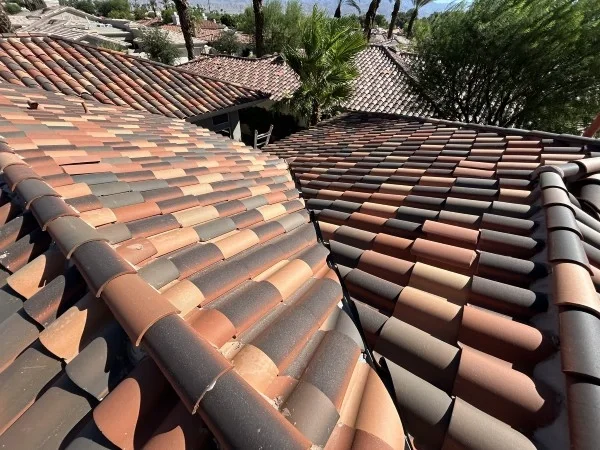
Contractors who do good work can tell you whether you need a repair or a replacement, and they're the ones who can safely walk the roof to check areas that ground-level observation misses: under shingles, around flashings, at the valley intersections, and along the ridge. The team at Vision Roof Services offers inspections across their service areas, along with repair and full replacement work.
From a planning standpoint, spring and fall are the best seasons to schedule a replacement. Extreme heat makes installation harder in summer; cold weather slows adhesive bonding in winter. Most full replacements take 1-3 days for the install itself, though scheduling and permit processing adds 1-4 weeks to the overall project timeline (NRCA, 2025).
One final point. The National Roofing Contractors Association 2024 Labor Survey found that 85% of roofing contractors struggle to hire skilled workers, with 10% of firms reporting backlogs of five months or longer as of Q2 2025. If you've identified signs that your roof needs replacing, don't wait until a leak forces your hand. Schedule before you're in emergency mode.
FAQs
How do I know if I need a full roof replacement or just a repair?
Isolated damage on a roof under 15 years old typically warrants repair. Widespread granule loss, multiple leak points, or damage on a roof over 20 years old almost always makes replacement the better choice. Piecemeal repairs on a broadly deteriorating roof tend to cost more in total over time than a timely replacement would have. If two or more warning signs appear together, replacement is usually the smarter move.
When to replace your roof: does insurance affect the timing?
Yes, and more than most homeowners realize. In California, carriers have tightened on older roofs after the recent wildfire losses, with homes past 15 years facing more inspections and non-renewal reviews. New fire-rated and impact-resistant roofs qualify for insurance premium discounts, often 5-20% or more (NRCA/insurer guidance, 2025). Always update your insurer with the new roof age, material, and fire rating once the work is done.
How long does a roof replacement actually take?
The physical installation on a typical residential roof takes 1-3 days. The full project, from signed contract to completed job, typically runs 1-4 weeks once you factor in permit processing and scheduling (NRCA, 2025). Spring and fall are the preferred seasons. The NRCA reported in Q2 2025 that 10% of contractors had backlogs of five months or more, so plan ahead rather than waiting for a problem to force your hand.
What are the most expensive mistakes homeowners make when replacing a roof?
Skipping a proper decking and sheathing inspection is the costliest error. Hidden rot or soft spots found mid-project add a significant amount to the final bill, and it happens in 10-30% of jobs (trade forum data, 2024-2026). The second biggest mistake is hiring an unlicensed or underinsured contractor to save money upfront. No license and no workers' comp means no legal recourse if the work fails or someone gets hurt on your property.
Do dark streaks on my roof mean I need to replace it?
Not necessarily. Dark streaks are algae (Gloeocapsa magma), and a professional cleaning can remove them if caught early. The real question is what is happening to the shingles beneath the algae. If the shingles are otherwise sound and the roof is under 15 years old, cleaning and preventative treatment is the right call. If the shingles are already deteriorating, or if lichen has bonded to the surface and the roof is past 15 years, replacement is often more practical than cleaning.
Should I replace my roof before selling my home?
In most markets, yes, if the roof has visible issues or is past 20 years old. The NAR 2025 Remodeling Impact Report found that new roofing was recommended by 37% of realtors for sellers and received a perfect joy score of 10/10 from homeowners who completed the project. A flagged roof in a buyer's inspection report becomes a negotiation lever, and sellers often concede more than a proactive replacement would have required.
What signs tell me my roof might fail before its expected lifespan?
Poor attic ventilation is the most underreported cause of early roof failure. Without proper airflow, heat and moisture build up under the shingles, accelerating deterioration from the inside out. In Southern California, intense UV and heat, entry-level three-tab shingles in a high-exposure inland location, and skimped underlayment ahead of the rainy season can all cut years off a roof's effective life regardless of what the warranty says.