Is Your Roof Ready For Solar Panels? A Roofer's Checklist
Your roof is ready for solar if it has enough life left to outlast the panels, the structure can carry them, and the material lets an installer mount an array without voiding your roofing warranty. That is the short answer, and most solar guides skip it, because they sell panels, not roofs.
I have been on roofs since 1992. I have pulled solar arrays off more roofs than I would like, almost always because someone put panels on a roof with 5 years left in it. So before you measure square footage or count panels, look at the roof under them.
A roof that is ready for solar has at least 10 to 15 years of service life left, a deck that can take the added weight, and a surface a crew can attach to without breaking your warranty. Age, condition, and material decide readiness. Roof size only decides how many panels fit.
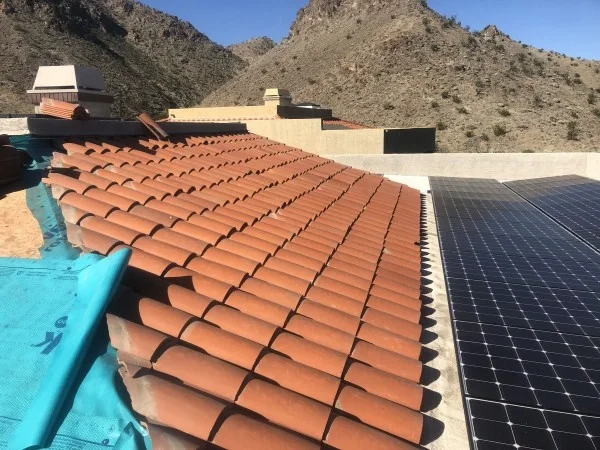
What makes a roof ready for solar panels?
Three things: remaining roof life, structural condition, and a solar-friendly surface. Size is the easy part, and it comes last.
Remaining life is the one people ignore. Panels are built to run for 25 years or more. If your roof will not last that long, you are signing up to take the array back off partway through. Condition is next. Soft decking, active leaks, or standing water on a flat roof all have to be handled before anything gets bolted down, because once the panels are up, that repair gets a lot more expensive. Then the surface: some roofs take a mount cleanly, some need holes drilled and flashed, and some need no holes at all.
A full array adds roughly 3 to 4 pounds per square foot. Most homes handle that fine, but an older or modified roof structure is worth a look first. A typical home array needs about 350 to 600 square feet of clear space for 17 to 25 panels, which is the math every solar calculator already does for you. We check the first three items during a free roof inspection so you are not taking the solar company's word for the condition of your own roof.
How your roof's age decides the whole project
If your roof has under 10 years of life left, deal with the roof before the panels. That single call saves more money than any other decision in a solar project.
Here is the arithmetic. Panels carry 25-year warranties and keep producing past that. Roofs do not all last that long. In our experience asphalt shingle runs 15 to 30 years, spray foam and single-ply flat roofs 20 to 30, tile 50 to 100, and standing-seam metal 40 to 70. When the roof under the panels wears out first, you re-roof in the middle of the array's life, and that means paying to move the array twice.
So the age question is not "can I put solar on this roof." You almost always can. The question is whether the roof will still be there when the panels are only halfway done.
Does installing solar void your roof warranty?
It can. If a solar crew drills into your roof in a way your roofing warranty does not allow, that warranty is gone, and you find out only when you have a leak nobody will cover.
Two warranties are in play. The manufacturer warranty covers the roofing material. The workmanship warranty covers the install. Roof penetrations that are not flashed to the roofer's spec can void either one. The fix is simple and almost nobody does it: have your roofer and your solar installer talk before the first hole gets drilled. On flat and foam roofs, that often means a mount that spreads load without penetrating the membrane, or a penetration flashed and coated to keep the warranty intact.
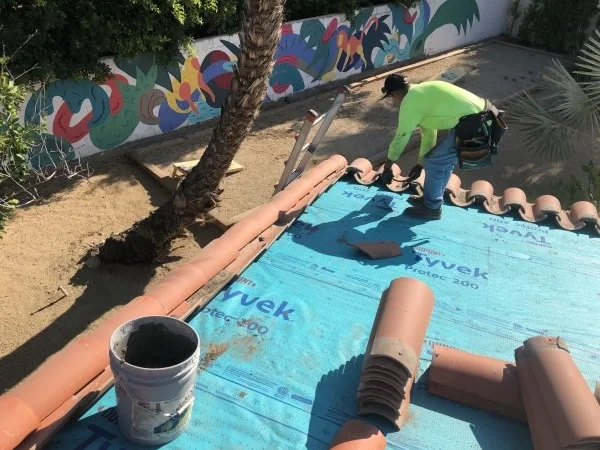
Should you replace or recoat your roof before solar?
If the roof is sound but into the back half of its life, recoat it before the panels go up. If it is failing, replace it. What you should not do is put a fresh array on a roof you will tear off in 5 years.
Foam and flat roofs are the clearest case. A sound foam roof can be recoated for another 10 to 15 years, which usually beats a full tear-off before solar. Asphalt shingle is simpler: past 15 years, replace it before the panels go on, because retrofitting a re-roof around an existing array is slow and costly. If a shingle roof is only starting to show wear, a roof rejuvenation treatment can buy a few years to plan the project. Either way, handle any repairs first.
What it costs to pull panels off for a re-roof
Removing and resetting a solar array so a roofer can work underneath is a real line item, not a rounding error. You pay a solar crew to detach the panels, disconnect and reconnect the wiring, set everything back, and get the system re-inspected.
That cost is the whole reason roof age matters, and it is the hill I will die on: never put solar on a roof with under 10 years of life left. If the roof fails at year 8, you pay to remove the array, pay to re-roof, and pay to reset the array, on top of the downtime while the panels are off and producing nothing. Recoating or replacing first is almost always cheaper than doing it in the wrong order. Solar sales teams push to get panels up now, because that is what they sell. A roofer has no reason to tell you anything but the truth about the roof.
Which roofs pair with solar in 2026, and which fight it
Standing-seam metal is the easiest roof to put solar on. Asphalt shingle is straightforward. Tile takes more labor. Flat and foam roofs are their own conversation, and that is our lane.
| Roof type | Typical service life | How solar attaches | What to watch |
|---|---|---|---|
| Standing-seam metal | 40 to 70 years | Clamps to the seams, no holes | Easiest match, rarely the reason a project stalls |
| Asphalt shingle | 15 to 30 years | Bolted through, then flashed and sealed | Check the age first; past 15 years, re-roof before panels |
| Clay or concrete tile | 50 to 100 years | Tiles pulled and reset at each mount | More labor and breakage, so budget for it |
| Spray foam or single-ply flat | 20 to 30 years | Ballasted or flashed mounts, ideally no penetrations | Recoat first, and keep access for future recoats |
If you want the material-by-material breakdown, we cover the best roofing materials for solar in a separate guide. The short version for the two we specialize in: on a flat or low-slope roof, a well-mounted array is fine as long as the roof is coated and the mounts are handled right, and on a spray foam roof the coating has to be sound before anything goes on top, because you still have to recoat under and around the panels every several years. For commercial buildings with acres of flat roof, that recoat schedule is the part solar contractors rarely plan for, and it is the part that protects the roof you already paid for.
How much roof space and power you'll actually get
A typical home needs about 350 to 600 square feet of clear roof for 17 to 25 panels. That is the part every solar calculator already handles, so I will keep it short.
One correction worth making, because it shows up in a lot of solar guides: the average American home does not use 855 kilowatt-hours a year. The U.S. Energy Information Administration puts it at 10,791 kilowatt-hours a year, about 899 a month. The 855 figure is a monthly number that got relabeled as annual, and if you size a system off it you will come up roughly 12 times short. For a real production estimate on your address, run it through the National Renewable Energy Laboratory's PVWatts tool before you trust a sales sheet.
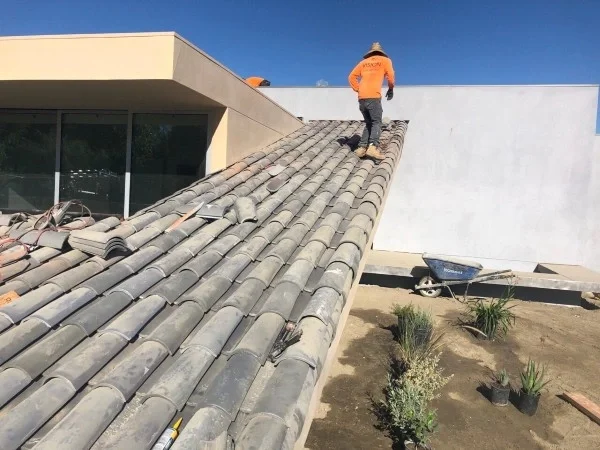
Get an independent roof check before you sign
Before you sign a solar contract, have a roofer inspect the roof, not the solar company. The people selling you panels are not roofers, and they are motivated to tell you the roof is fine.
Our Roof Health Check is free, and you get a written report with photos, usually within 24 to 72 hours. It tells you the remaining life, the condition, and whether to recoat, repair, or replace before solar. That report is worth having even if you never install a panel. I started roofing in 1992, and the team I built at Vision Roof Services has put those reports in front of thousands of building owners across Southern California, Arizona, Nevada, and Texas. We are members of the Spray Polyurethane Foam Alliance, and our foam systems are certified through General Coatings.
Solar is a good move on the right roof. Make sure your roof is ready for solar panels before the array goes up, and you will not pay for the same roof twice. Book a Roof Health Check and we will tell you exactly where yours stands.
FAQs
How do I know if my roof is ready for solar panels?
A roof is ready for solar when it has at least 10 to 15 years of service life left, a sound deck that can carry the extra 3 to 4 pounds per square foot, and a surface a crew can mount to without voiding your warranty. Age and condition matter more than size. The cleanest way to know is an independent roof inspection before you sign a solar contract.
Can you put solar panels on an old roof?
Technically yes, but it is usually a mistake. Panels last 25 years or more, so if your roof has under 10 years left, you will pay to remove and reset the array when the roof needs replacing. On an older roof, handle the roof first, then the panels.
Does solar void a roof warranty?
It can. Roof penetrations that are not flashed to your roofer's specification can void both the manufacturer and workmanship warranties. Have your roofer and solar installer coordinate before any holes are drilled, and on flat or foam roofs use mounts that protect the membrane.
Should you replace or recoat your roof before solar panels?
Recoat if the roof is sound but into the back half of its life. A foam or flat roof can gain another 10 to 15 years from a recoat, which is cheaper than a tear-off. Replace if the roof is failing. Never install a new array on a roof you will remove within 5 years.
Can you install solar on a flat or foam roof?
Yes. Flat and spray foam roofs take solar well when the coating is sound and the mounts are ballasted or properly flashed. The one thing to plan for is the recoat schedule, because a foam or coated roof still needs to be recoated under and around the panels every several years.
How much does it cost to remove and reinstall solar panels for roof work?
It is a real cost that includes detaching the array, the electrical disconnect and reconnect, and resetting the panels. That cost is exactly why roof life should decide the project before panel count does.
How much roof space do I need for solar?
A typical home needs roughly 350 to 600 square feet of clear roof for 17 to 25 panels. Size your system off real usage: the average U.S. home uses 10,791 kilowatt-hours a year per the EIA, not the 855 figure some guides repeat.