How To Prepare For A Roof Replacement: A Desert Owner's Checklist
Preparing for a roof replacement comes down to 3 things: clear the work area, protect what the crew can't move, and plan around the weather. Do those and you cut the mess, the risk, and most of the surprises. But most online checklists miss one point. How you prepare depends on your roof. Getting ready for an asphalt shingle tear-off is not the same as getting ready for a spray foam or flat roof, and in the California desert the calendar matters as much as the checklist.
I'm Dave Bienek. I've been on roofs since 1992, and the crews at Vision Roof Services have finished about 7,500 of them. We work across the Coachella Valley and Orange County, and this is the prep I give homeowners and building owners before we start.
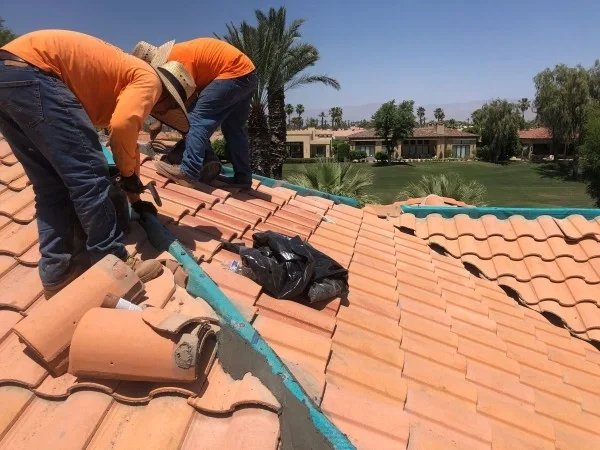
What does it mean to prepare for a roof replacement?
Roof replacement preparation is the set of steps you take before the crew arrives: clearing the yard and driveway, protecting interior and rooftop items from vibration and debris, arranging for pets, people, and tenants, and timing the job around the weather. Good prep protects your property and keeps the schedule from slipping. Most of it takes a weekend or less.
The steps below run in the order I'd tackle them. Start with the piece that trips up the most people: the roof you actually have.
Your prep depends on your roof type
Almost every guide gets this part wrong. They assume a tear-off, a dumpster, and nails raining onto your lawn. On a lot of desert roofs, that's the wrong picture.
A spray foam or coating system often goes over your existing roof, so there's little or no tear-off and far less falling debris. The U.S. Department of Energy points out that a reflective roof can stay more than 50°F cooler than a dark one, and foam's protective coating is reflective by design. So on those jobs the real prep isn't sweeping up nails. It's protecting cars, windows, and air conditioners from overspray drift, and planning around desert heat.
Prep changes with the roof over your head.
| Roof type | Tear-off? | Typical time on site | The prep step owners miss |
|---|---|---|---|
| Asphalt shingle | Yes | 1 to 3 days | Clearing the yard of anything a stray nail can reach |
| Concrete or clay tile | Partial (underlayment swapped, many tiles reused) | 3 days to over a week | Protecting walkways from heavy, breakable tile debris |
| Flat or single-ply (TPO, PVC) | Sometimes | Several days | Clearing roof access and shielding drains and rooftop units |
| Spray foam or coating | Often none (goes over the existing roof) | 1 to several days | Blocking overspray from cars, windows, and AC condensers |
Times vary with roof size, pitch, and access. If you're not sure which system you have or need, that's the first thing a free Roof Health Check settles. And sometimes the honest answer is a roof repair, not a full replacement.
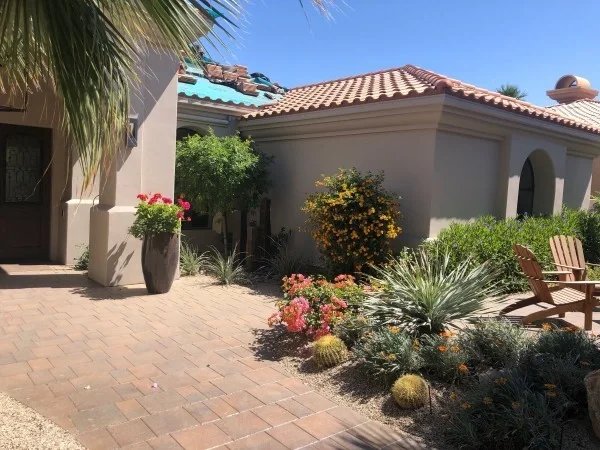
Your before-the-crew checklist
Whatever the roof, some prep is universal. Falling debris, foot traffic, and vibration reach the yard, the attic, and the top-floor rooms. Handle the outside 48 hours ahead and the inside the night before.
Clear the yard and driveway
Give the crew a 15-foot working lane around the house. That's room for ladders, a dump trailer, and safe material drops. Move patio furniture, grills, and potted plants to a garage or a far corner. Pull cars, RVs, and trailers onto the street or at least 20 feet clear so the crew can stage materials and park the trailer. In the desert, one more step matters: your outdoor AC condenser sits right in the debris zone. Ask where the crew plans to work and cover or flag the unit so nothing drops into the coils.
Protect the inside and the attic
Vibration from a tear-off travels through the framing. Pictures shift, light fixtures shake, and dust drifts down from the attic. Take framed art and mirrors off the walls on the top floor. Move fragile items off high shelves onto a bed or the floor. In the attic, throw old sheets or plastic over anything stored there, and carry irreplaceable boxes, documents, and photos down a level. If you work from home, plan to work somewhere else that day. Nail guns are loud.
Handle pets, kids, and neighbors
A roofing site is no place for small children or animals. The safest plan is to have young kids and pets spend the day elsewhere. If they stay, pick a ground-floor room far from the work and keep everyone out of the yard until the crew calls the all-clear. Give your close neighbors a heads-up too. Tell them the dates, the noise, and that street parking will be tight for a day or two. It costs you nothing and saves a lot of goodwill.
How is preparing for a foam or flat roof different?
The big difference is overspray. When we apply spray foam or a coating, fine particles can carry on a breeze and land on anything nearby. So the prep shifts from the ground to the surroundings. Move both cars out of the driveway, not just one. Close windows on the work side. Cover or flag the AC condenser, pool equipment, and patio surfaces. If a neighbor's car or fence sits close to the property line, we mask or move the risk before a drop of foam goes down.
Owners rarely expect 2 more things. First, there's an odor during application, so on an occupied building we talk through ventilation and whether anyone with sensitivities should step out for a few hours. Second, foam and coatings need a dry surface and calm, warmer air to cure right. We won't spray into wind or onto a damp deck. That's why the desert calendar drives the schedule more than the checklist does.
If your existing roof is sound underneath, you may not need a replacement at all. A silicone coating or a foam recoat can add years without a tear-off.
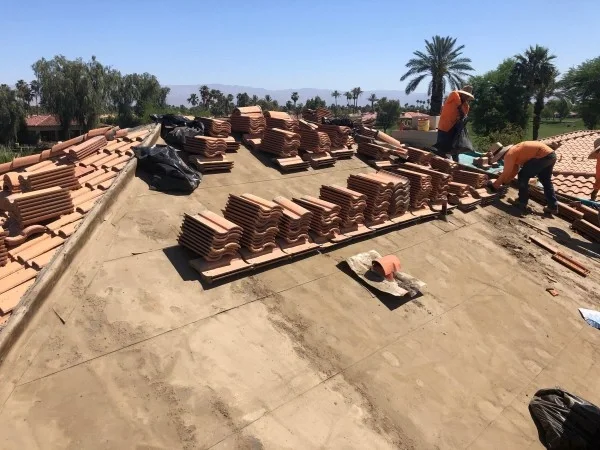
When should you schedule a desert roof replacement in 2026?
Timing is its own form of prep out here. The window comes down to 2 things: the monsoon and the heat.
The National Weather Service sets the Southwest monsoon season from June 15 to September 30. You don't want an open roof deck when a monsoon cell rolls through the Coachella Valley, and foam won't cure on a damp surface. We plan tear-offs and foam work around that window, not through the middle of it.
Then there's the heat. Cal/OSHA heat rules require shade for outdoor crews once it passes 80°F and add breaks, monitoring, and water once it hits 95°F. In a Palm Desert summer that means we start at first light and stop by early afternoon, so a summer job can run more calendar days than the same roof in spring. If you can pick your timing, fall through late spring is the sweet spot here.
One rule that catches desert owners off guard: California's Title 24 energy code requires every replacement low-slope roof in the state to be a cool roof. Foam and reflective coatings clear that bar without a separate product. If you're re-roofing a flat section, build the cool-roof requirement into your plan from the start.
How to prepare an occupied commercial building or HOA
Commercial prep is less about your living room and more about keeping the business running. If tenants, staff, or residents are on-site, notice comes first. Post the dates and hours, and warn anyone parked under the roofline or the staging area to move.
Sort out roof access before day one. The crew needs a clear path for equipment, a spot for the trailer and material, and a plan for the drains and rooftop units they'll work around. On an HOA property, confirm any board approvals and color or material rules before the crew orders anything. We handle tenant coordination on jobs like the commercial roofs we've done for names such as LifeStorage in Costa Mesa and the Yamaha facility in Buena Park, and the pattern is always the same: the buildings that prep their people ahead of time have the smoothest weeks.
Questions to ask your roofer before work starts
A few questions before the first nail or the first spray save the most grief later. Ask these:
Is the company licensed and insured, and can I see it? You can verify any California roofer at the state contractors board. Ask for a certificate of insurance too.
Who pulls the permit? For a full replacement, most California cities require one, and your contractor should handle it. Confirm the permit is in hand before work starts.
What warranty do I get, and on what? There are two: the manufacturer's warranty on the material and the workmanship warranty from the contractor. Get both in writing.
How will you protect my property and clean up? For shingle and tile, that means a magnetic nail sweep. For foam, it means the overspray plan. On our jobs, the written Roof Health Check report and photos come back within 24 to 72 hours, so you have a record before and after.
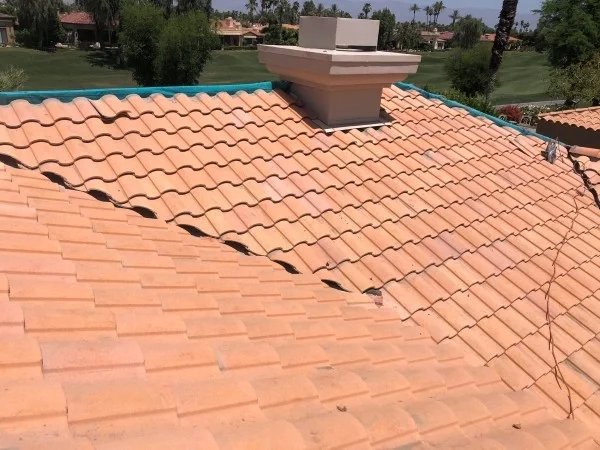
What to check after the roof is done
Once the crew wraps, your job is a walk-around. You don't need a ladder. From the ground, look for straight, even lines, clean flashing around chimneys, vents, and skylights, tidy drip edges, and no exposed nails or gaps at the ridge. On a foam roof, look for an even, consistent coating with no bare spots or pooling.
Then confirm the cleanup. On a tear-off, watch the crew run a magnetic sweep across the lawn, driveway, and beds before pets or kids go back out. Inside, check the attic for daylight and the top-floor ceilings for new stains or dust.
Collect your paperwork before the crew leaves: final invoice, the manufacturer warranty, the workmanship warranty, the permit sign-off, and the before-and-after photos. Register the manufacturer warranty right away, since many need online sign-up within a set window. Then put a maintenance plan on the calendar. Foam and coatings last for decades when they're recoated on schedule, the idea behind roof rejuvenation, so an annual inspection protects the money you just spent. That's the maintenance-first approach we build into every job, residential and commercial alike.
Start with a free Roof Health Check
The best prep for a roof replacement is knowing exactly what you're replacing and why. Before you plan a single step, get eyes on the roof. My crews have inspected and installed roofs across Palm Desert, La Quinta, Rancho Mirage, and Orange County since 1992, and the free Roof Health Check gives you a written report with photos, so you can decide with facts instead of a sales pitch. When you're ready to prepare for a roof replacement the right way, book your Roof Health Check and we'll start with the report.
FAQs
How do I prepare for a roof replacement?
Preparing for a roof replacement runs in 3 phases: clear a 15-foot lane around the house for the crew, protect interior and rooftop items from vibration and debris, and time the job around the weather. The exact steps depend on your roof, since a spray foam or flat roof needs overspray protection rather than nail cleanup. Handle the outside about 48 hours ahead and the inside the night before.
How long does a roof replacement take?
A standard asphalt shingle replacement takes 1 to 3 days. Tile can run from 3 days to over a week, and flat or spray foam roofs range from a single day to several days depending on size and access. Desert summer heat can stretch the timeline, because crews start at dawn and stop in the early afternoon.
Do I need to leave my house during a roof replacement?
No, you don't have to leave during a roof replacement, but plan for steady noise from nail guns and, on a foam job, an odor during application. Young children, anyone who works from home, and pets are usually better off elsewhere for the day. Keep everyone out of the yard until the crew finishes cleanup and gives the all-clear.
How is preparing for a spray foam roof different from a shingle roof?
A spray foam roof usually goes over your existing roof, so there's little or no tear-off and far less falling debris. The main risk is overspray drift, so you protect cars, windows, AC condensers, and nearby property instead of clearing nails from the lawn. Foam also needs a dry surface and calm, warm air to cure, which makes timing more important.
When is the best time of year to replace a roof in the desert?
Fall through late spring is the easiest window in the Coachella Valley. The National Weather Service sets the monsoon season from June 15 to September 30, and an open roof deck and wet weather don't mix. Summer heat also slows work, since Cal/OSHA rules add breaks and shade once temperatures pass 95°F.
Do I need a permit to replace my roof in California?
Yes, most California cities require a permit for a full roof replacement, and your contractor should pull it before work starts. On low-slope and flat roofs, Title 24 also requires the replacement to meet cool-roof standards. Confirm the permit is in hand and ask to see it.
Should I get a full roof replacement or just a coating?
Not every roof needs a full replacement. If the structure underneath is sound, a silicone coating or a foam recoat can add years without a tear-off. A written roof inspection, like the free Roof Health Check that comes back within 24 to 72 hours, tells you which one you actually need.