Roof Rejuvenation: What Is It And Does It Actually Work?
Most homeowners don't know their asphalt shingles are drying out years before any visible damage appears. Roof rejuvenation is a spray-on treatment that puts plant-based bio-oils back into aging shingles, replacing the petrochemical oils they lose from years of sun, heat, and rain. The treatment restores flexibility to brittle shingles, improves granule grip, and can add up to five years of service life per application. For roofs that are still structurally sound but starting to show their age (roughly 6 to 20 years old), it's a fraction of what full replacement runs. But I've seen too many homeowners treat roofs that needed to come off entirely. The difference between a smart investment and wasted money comes down to one thing: a thorough inspection before anyone sprays anything.
Roof rejuvenation is a maintenance treatment for asphalt shingle roofs. A trained applicator sprays bio-based oils onto aging shingles to replenish the natural petrochemical oils lost through UV exposure and weather. This restores shingle flexibility, slows granule loss, and can add up to five additional years of service life per application.
This article covers asphalt shingle rejuvenation only. Tile, metal, TPO, and flat-roof coatings are different systems with different chemistry and won't be addressed here.
How Roof Rejuvenation Works
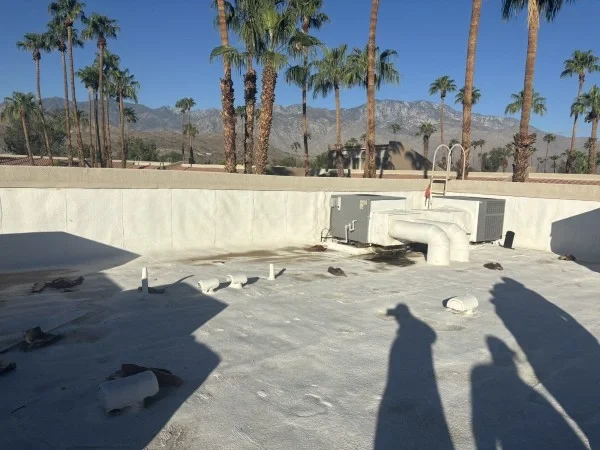
A trained applicator uses low-pressure spray equipment to coat your shingles with a bio-based oil formula that soaks into the asphalt layer within hours. The oil restores the shingle's internal flexibility without changing the roof's appearance or surface function.
Here's what happens at the material level. Asphalt shingles contain petrochemical oils from manufacturing. Those oils give shingles the ability to flex, grip granules, and shed water. Over time, UV rays and temperature swings cook those oils out. Shingles get stiff. They crack. Granules start washing into your gutters.
Rejuvenation sprays a plant-derived oil (most products use soy or corn-based formulas) that penetrates the shingle and replaces what the sun took. I've inspected roofs where the shingles felt like cardboard before treatment and had noticeable give afterward.
The whole process takes two to four hours on most residential roofs. No tear-off. No debris. No need for structural roof repair work. Your family won't even notice it's happening.
Roof Rejuvenation vs. Full Roof Replacement
Rejuvenation and replacement solve different problems. Rejuvenation extends the life of shingles still in working condition. Replacement removes everything and starts fresh when the roof is too far gone.
Most homeowners jump straight to replacement because they don't know rejuvenation exists. And the industry has a financial reason to push replacements. But if your roof is 10 years old with some granule loss and no active leaks, paying for a full tear-off is like totaling your car over a scratch.
Roof Rejuvenation
Purpose: Extends the life of aging but structurally sound shingles
Time Required: 2 to 4 hours for most homes
Environmental Impact: Minimal waste using plant-based materials
Disruption to Home: None, no construction noise or mess
Maintenance After: Reapplication every 5 years recommended
Best For: Roofs 6 to 20 years old that are still structurally sound
Fixes Structural Issues: No
Added Service Life: Up to 5 years per application (up to 15 with reapplication)
Full Roof Replacement
Purpose: Replaces a failing or damaged roofing system entirely
Time Required: 1 to 3 days or longer
Environmental Impact: Heavy debris and landfill disposal of old shingles
Disruption to Home: High, includes tear-off, falling debris, and loud equipment
Maintenance After: Annual inspection recommended
Best For: Roofs with active leaks, deck damage, or end-of-life shingles
Fixes Structural Issues: Yes
Added Service Life: 20 to 30+ years with new materials
When Should You Choose One Over the Other?
A professional inspection settles this question fast. If shingles are still mostly flat with no widespread cracking, the roof deck is solid, and there are no active leaks, rejuvenation is the better call. I've worked on homes where the owner was quoted for full replacement and the inspection showed the shingles just needed their oils replenished.
But if shingles are curling at the edges, if you can see daylight through the attic boards, or if your roof has passed its expected lifespan, rejuvenation won't save it. Treating a roof that's already failing is money you won't get back.
Long-Term Benefits of Roof Rejuvenation
Each application can add up to five years to your roof's service life. Repeat treatments every five years can push asphalt shingles 10 to 15 years beyond their original timeline. That's the headline number most people focus on, and it's real for the right roofs.
The environmental benefit doesn't get enough attention. The EPA estimates that roughly 11 million tons of asphalt shingle waste reaches U.S. landfills each year. Every replacement you delay by a few years keeps 2,000 to 4,000 pounds of material out of the dump for that one home alone.
Restored flexibility also means your shingles handle temperature swings better. In Southern California, roof surface temperatures hit 150 to 170 degrees in summer. Brittle shingles crack under that kind of thermal cycling. Flexible shingles expand and contract the way they were designed to.
The appearance improvement is real but secondary. Treated shingles often look darker and more uniform. But nobody should buy rejuvenation for cosmetics alone.
Does Roof Rejuvenation Really Work?
Yes, but with conditions that most marketing materials skip over.
Roof rejuvenation works on the right roofs. Mid-life asphalt shingle roofs in fair-to-good condition see measurable improvement. Roofs already past the point of no return see little to no benefit. The industry's biggest problem is that some applicators treat anything with shingles on it, regardless of condition.
What the Research Shows
Ohio State University tested rejuvenation spray on 17-year-old asphalt shingles and found clear improvements. Treated shingles were more flexible than untreated ones, showed better granule adhesion, and took roughly 24% less hail damage. The treatment didn't increase flammability either, which matters if you're in a fire-prone area like parts of Southern California.
Both positions hold up depending on the situation. Rejuvenation isn't a substitute for fixing flashing problems, addressing poor ventilation, or repairing deck damage. But for shingles that are just drying out, the science backs it up.
Where Roof Rejuvenation Falls Short
Here's what most rejuvenation providers won't tell you. This treatment doesn't fix anything structural. It won't stop a leak. It won't repair cracked or curled shingles. It won't catch issues that a proper roof inspection would reveal, like damaged flashing, clogged drainage, or rotting decking.
Product quality and application skill both matter more than most marketing suggests. I've seen uneven applications from poorly trained crews that left portions of the roof untreated. And the long-term data is still catching up. Most independent research covers one to three years post-treatment. Real-world data on 10-year performance across different climates remains thin.
The most common mistake is treating a roof that should be replaced. A homeowner with 25-year-old shingles who pays for rejuvenation and still needs full replacement within two years has lost that investment entirely. A free roof health check before any treatment is the only way to avoid that outcome.
Is Roof Rejuvenation Right for Your Home?
If your asphalt shingle roof is between 6 and 20 years old, structurally sound, and showing early aging signs like granule loss or slight stiffness, roof rejuvenation is worth exploring.
Skip it if your roof is actively leaking, if shingles are cracked or missing, or if the deck underneath shows water damage. Skip it if you have tile, metal, or TPO. And skip it if anyone tries to sell you a treatment without doing an on-site inspection first.
The U.S. roofing contractor industry hit $92.5 billion in 2026 according to Bureau of Labor Statistics roofing trade data and IBISWorld reporting, with roughly 80% of that tied to repairs, maintenance, and re-roofing of existing buildings. Rejuvenation sits in that maintenance category. For the right roof, it's the smartest step before a bigger decision.
It just has to be the right roof. Working with a contractor who inspects before recommending any treatment is the difference between a good outcome and a wasted one.
Frequently Asked Questions
How long does roof rejuvenation last?
A single treatment can add up to five years of service life to asphalt shingles. Reapplying every five years can extend your roof by 10 to 15 years total. Actual results depend on your roof's condition at the time of treatment, your local climate, and whether you keep up with annual inspections.
Does roof rejuvenation work on all roof types?
No. Roof rejuvenation is designed for asphalt shingle roofs only. It doesn't work on metal, tile, TPO, or flat-roof membrane systems. Those materials use different chemistry and require different maintenance approaches.
Will roof rejuvenation void my shingle warranty?
It depends on your shingle manufacturer. Some warranties exclude aftermarket treatments or coatings, while others don't address the topic directly. Always check your warranty terms in writing before scheduling any treatment. Ask for the specific clause that applies.
What roof age is best for rejuvenation treatment?
Roofs between 6 and 20 years old in structurally sound condition see the most benefit. Shingles should be showing early aging signs like granule loss or stiffness but shouldn't be cracked, curled, or actively leaking. A professional inspection before treatment is the only reliable way to confirm your roof qualifies.
Does roof rejuvenation affect homeowners insurance?
The impact varies by carrier and state. Some insurers may view a treated roof favorably during renewal, while others focus strictly on roof age and visual condition. In states with stricter rules on older roofs (like Florida and parts of Texas), rejuvenation may help. But there are no guarantees, so call your insurer before spending money.
Is there scientific proof that roof rejuvenation works?
Ohio State University tested rejuvenation spray on 17-year-old asphalt shingles and found improved flexibility, better granule adhesion, and roughly 24% less hail damage compared to untreated shingles. The treatment also showed no increase in fire risk. Independent long-term field data (beyond three years) across different climates is still limited.
Can I apply roof rejuvenation myself?
You technically can buy some products retail, but professionals strongly discourage DIY application. Roof work carries fall risks, uneven application leads to poor results, and self-applied treatments carry no warranty. A trained applicator with proper inspection skills and spray equipment will deliver a better outcome.
Double-click to edit...