For Orange County roofs, El Niño means better-than-usual odds of a wet winter, with storms stacked close together and fewer dry days between them to fix anything. NOAA's Climate Prediction Center gives a strong-to-very-strong El Niño better than an 83% chance of lasting through March 2027. And in NOAA county records going back to the 1950-51 winter, Orange County got above-average winter rain in 17 of its 25 El Niño winters.
El Niño finds the weak spots a roof already has, like a clogged drain or a worn coating. Leaks and aging flat roofs are already the top reasons owners call us. A wet winter puts more water on those problems and leaves less time to fix them.
El Niño is a warming of the tropical Pacific that pushes the jet stream south. In Orange County, that tilts the odds toward more Pacific storms from November through March, the months that bring most of the region's rain. On a roof, it means longer wet spells and fewer dry days to find and fix weak drains and flashing.
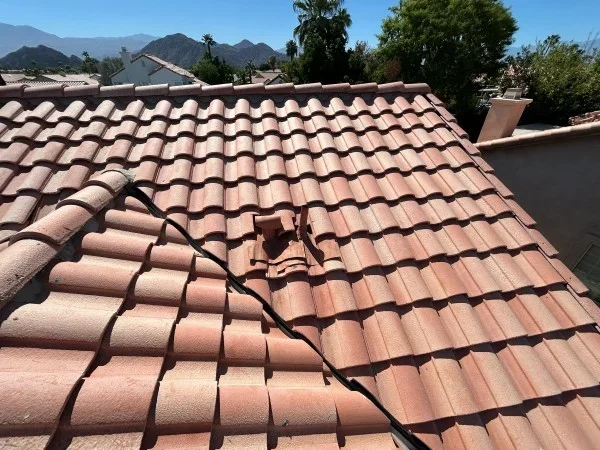
Is El Niño happening in winter 2026-27?
Yes. El Niño is already here, and NOAA expects it to keep strengthening through the end of 2026.
In its October 8 update, NOAA's Climate Prediction Center kept its El Niño Advisory in place. It put the odds of a strong-to-very-strong event above 83% through January to March 2027. Ocean temperatures in the Niño-3.4 region, the stretch of Pacific that forecasters track most closely, ran 2.1°C above normal in September. NOAA also gave an 83% chance that October to December reaches +2.5°C on its relative ocean index. No El Niño since 1950 has been that strong.
NOAA's October 15 winter outlook leans the same way. It favors wetter-than-average conditions across the southern U.S., California included.
Treat those numbers as odds. NOAA's next update comes out November 12, 2026, and we'll refresh this page when it does.
Orange County's El Niño rain record since 1951
El Niño winters have brought Orange County above-average rain about 2 times out of 3. La Niña winters have done it about 1 time in 9.
At Vision Roof Services, we lined up NOAA's county rainfall records for every November-to-March season from 1950-51 through 2025-26 with NOAA's El Niño index for the same winters. The county's average for those 5 months is 11.17 inches, based on 1991-2020. In the 25 El Niño winters, rain beat that average 17 times, and those seasons averaged 14.43 inches. In the 26 La Niña winters, it beat the average 3 times.
Orange County rain in the 10 strongest El Niño winters since 1951
| Winter | El Niño index (Dec-Feb) | Nov-Mar rain | % of 11.17-inch average |
|---|---|---|---|
| 1957-58 | +1.69 | 16.54 in | 148% |
| 1965-66 | +1.24 | 12.71 in | 114% |
| 1972-73 | +1.55 | 15.83 in | 142% |
| 1982-83 | +2.14 | 22.36 in | 200% |
| 1986-87 | +1.18 | 6.53 in | 58% |
| 1991-92 | +1.54 | 16.27 in | 146% |
| 1997-98 | +2.22 | 27.07 in | 242% |
| 2009-10 | +1.47 | 13.60 in | 122% |
| 2015-16 | +2.50 | 5.19 in | 46% |
| 2023-24 | +1.84 | 16.60 in | 149% |
Sources: NOAA NCEI Climate at a Glance (Orange County, CA, November-March precipitation, 1991-2020 average); NOAA Climate Prediction Center Oceanic Niño Index (December-February). El Niño winter = index of +0.5 or higher.
8 of those 10 winters came in above average. The 2 misses were 1986-87 at 58% and 2015-16 at 46%.
1997-98 is the winter people remember. Orange County logged 27.07 inches, the wettest season since at least 1951. That February, Long Beach, across the county line from Seal Beach, recorded 11.22 inches in 1 month, according to a NOAA report on that winter. That single month beat Orange County's average for an entire November-to-March season. By April 1998, the same report counted more than $550 million in damage across California, 17 storm deaths, and 35 counties declared federal disaster areas.
Our take: let the calendar set your roof schedule
Use El Niño as a reason to book your fall roof check earlier. Orange County's biggest winters don't follow El Niño strength closely enough to wait on a forecast.
Start with the extremes. 2015-16 had the highest December-to-February reading on NOAA's El Niño index since 1951, and Orange County got 5.19 inches, 46% of average. A 2019 study by Cash and Burls in the Journal of Climate found that the 2015-16 rainy season ended slightly below average and California's drought continued.
Now flip it. 8 of the county's 10 wettest seasons since 1951 came in El Niño winters, but 6 of those 8 were weak events, like 2004-05 at 200% of average. The 2022-23 winter was a La Niña, and it still hit 192%. The driest season since 1951, 2006-07, came during a weak El Niño.
So the forecast tells you the odds. It can't tell you which storm finds your low drain. We recommend a roof inspection twice a year and after major storms, El Niño or not, and our free Roof Health Check covers it. This year, with NOAA leaning wet, book the fall check now instead of waiting for the first storm warning.
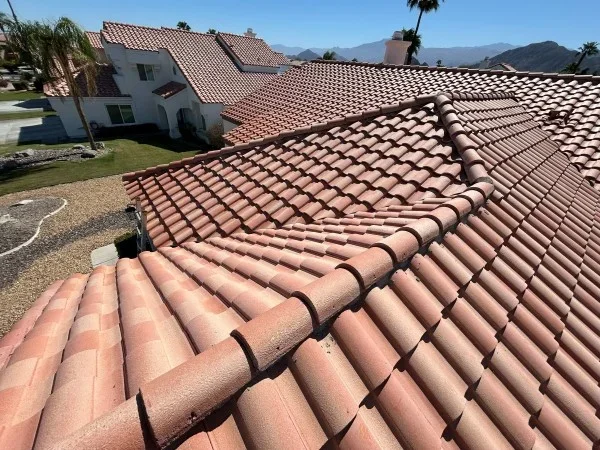
What El Niño means for Orange County roofs, roof by roof
Each roof type fails at a different spot when storms stack up. This table shows where each type tends to fail first and what to check before the rain.
What fails first in a long wet spell, by roof type
| Roof type | Common on | What fails first | Check before the rain |
|---|---|---|---|
| Spray foam with an elastomeric coating | Warehouses, self-storage buildings, flat-roof homes | Thin or worn topcoat, cuts near rooftop equipment, low spots that hold water | Coating wear, punctures around HVAC units, drains after a storm |
| Single-ply or built-up low-slope roof | Retail centers, offices, HOA buildings | Seams, flashing at parapet walls and curbs, clogged drains and scuppers | Seam edges, drain screens, scupper openings |
| Concrete or clay tile | Single-family homes, HOA communities | The underlayment beneath the tile, valleys packed with debris | Cracked or slipped tiles, valley debris, underlayment age |
| Asphalt shingle | Older homes, garages, additions | Lifted or missing shingles after wind, pipe boots | Shingle edges, flashing, pipe boots |
The coast and the inland cities wear roofs out in different ways. We've worked on homes on Balboa Island, where salt air works on metal flashing all year. Inland, in cities like Anaheim and Mission Viejo, summer heat dries out sealants and coatings. Either way, the first long storm series is the test.
Why do flat roofs leak in heavy rain?
Flat roofs leak when water can't drain off fast enough. Water that sits finds the weakest seam, flashing joint, or penetration.
The roofing industry has a yardstick for this. The National Roofing Contractors Association defines ponding as water still sitting on a roof 48 hours after the rain stops, in weather that should have dried it. If your roof holds water that long after a normal storm, a string of El Niño storms can keep it wet for days.
The usual entry points are clogged drains and scuppers, seams that have pulled apart, and flashing around HVAC curbs, vents, and skylights. Drainage tops our list of the 7 leak causes we see on flat roofs. If you can reach the roof safely, run a hose into each drain before the storms and watch it flow. If it backs up, clear it now, while the roof is dry.
Santa Ana winds load the drains before the storms
In Orange County, wind season and rain season overlap, so a drain you cleared in October can be packed again by December.
A 2016 study in Geophysical Research Letters tracked 65 years of Santa Ana winds. The season runs October through April, with at least 2 events in an average month, and December sees the most. The region averaged 32 events a year. Each one can blow palm fronds, leaves, and grit into gutters, drains, and scuppers. Strong gusts can also lift loose flashing and metal roof edges.
Check drains after each wind event and again before each storm on the forecast. A single September cleanup won't carry a roof through an El Niño winter.
Will a spray foam roof hold up in an El Niño winter?
Yes, if the coating is intact. Spray foam goes on as 1 continuous layer with no seams, so the weak points are the topcoat and anything that punctures it.
Of our 60 roofers, 12 are General Coatings-certified spray foam roofing applicators. Our foam systems can last 30 to 50 years when the topcoat is kept up. The topcoat shields the foam from sun and wear, and it's typically recoated every 10 to 15 years.
Before the rain, check a foam roof for 4 things:
Bare or chalky patches where the coating has worn thin, often along walking paths
Cuts and punctures near HVAC units, where service techs walk and set down tools
Blisters, which can trap moisture under the coating
Low spots that still hold water 48 hours after a storm
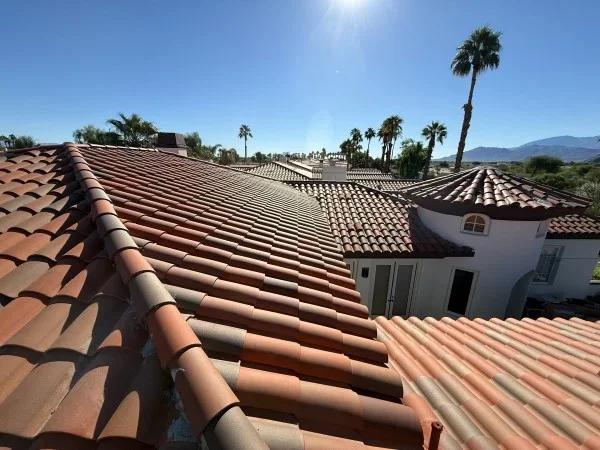
The dry-day math for repairs and coatings
Foam and coatings need a dry roof and a dry forecast, so the last good week to fix a roof comes well before the first storm.
The ICC-ES evaluation report for General Coatings' Ultra-Thane foam roof system (ESR-3239) spells out the conditions. Foam can't go on wet or damp surfaces. The roof and the air both need to be at least 50°F, with humidity under 85% and wind at 15 mph or less. Crews can't start if rain, dew, or condensation is expected before the foam and coating are finished. The coating goes on 2 to 72 hours after the foam, and temperatures have to stay above freezing for 24 hours after that.
Dew counts as moisture under those rules. On coastal jobs, a wet morning roof can push the start time back.
Then add the steps before a crew arrives. Work backward from the first storm on the forecast:
Working backward from the first storm
| Step | Time it takes | Source |
|---|---|---|
| Roof Health Check on the roof | 1 to 3 hours for most commercial roofs; half a day to a full day for multi-building properties and HOAs | Vision Roof Services |
| Written report with photos | 24 to 72 hours after the visit | Vision Roof Services |
| Proposal, sign-off, and HOA board vote if needed | Set by you and your board's meeting calendar | Your schedule |
| Active work on a commercial roof | About 1 to 4 weeks; about 1 to 2 weeks under 10,000 square feet | Vision Roof Services |
| Coating applied after foam | 2 to 72 hours | ICC-ES ESR-3239 |
| Protection after coating | Above 32°F for 24 hours | ICC-ES ESR-3239 |
Add it up for a commercial roof under 10,000 square feet: a report within 72 hours, your sign-off, then about 1 to 2 weeks of active work in dry weather. Count that backward from the first storm on the forecast, and add your board's next meeting if you're an HOA.
Shingle roofs move faster. A rejuvenation treatment takes about 4 to 8 hours on site for a typical 2,000 to 3,000 square foot home and is rain-safe 30 to 60 minutes after it goes on. The cleaned roof needs up to 24 hours to dry first.
Repair, recoat, or replace before the rain
Repair if the damage sits in 1 or 2 spots. A recoat fits when the roof underneath is dry and sound. Wet insulation points to replacement.
A core sample settles that last question. We cut a small plug through the roof to see whether the layers below are wet or dry. An optional infrared scan, which adds 30 to 60 minutes to the inspection, can spot wet insulation under the surface first.
In our 2026 Southern California pricing, coatings and restorations run about $1.50 to $4.00 per square foot. Spray foam recovers run about $4.00 to $11.00, and full replacements about $7.00 to $15.00 or more. The condition of the roof underneath, any tear-off, the square footage, and the coating system move those numbers most. The same factors decide whether it makes sense to coat or replace before the storms. Financing is available through Acorn Financing.
HOAs need extra lead time. I started roofing at 15, spending summers and days off on HOA roofs with my father. Boards work on a meeting calendar, and a roof bid has to land before the vote. If your board meets monthly, get the Roof Health Check report in hand before the next meeting.
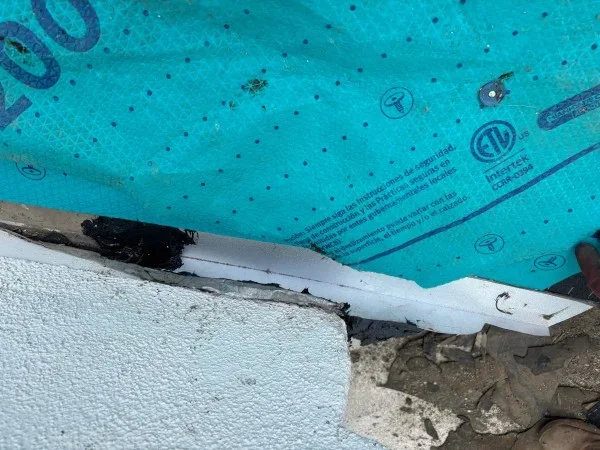
What should you do if your roof leaks during a storm?
Protect people and property first, document everything, and stay off the roof until it's dry and safe.
Move electronics, files, and inventory away from the drip, and catch water with buckets or plastic sheeting.
Keep people out from under any ceiling that sags or bulges with water.
Take dated photos and video of the stain, the drip, and anything damaged.
For temporary protection, call a roofer instead of climbing onto a wet roof.
Report the damage to your insurer early and keep receipts for emergency work.
Coverage depends on the cause. The California Department of Insurance says homeowners and commercial policies typically exclude flood, mudslide, and debris flow, but typically cover roof collapse and related ceiling damage. Flood coverage through the NFIP has to be in force 30 days before a flood, so it can't be bought the week a storm hits.
Book your roof check before the first big storm
Book it now, while the roof is dry. Our Mission Viejo office sits in the Mission Viejo Commerce Park, and our Orange County service area includes Anaheim, Costa Mesa, Lake Forest, Laguna Hills, Newport Beach, Santa Ana, and Westminster.
In Orange County, we completed a full spray foam roof restoration at Yamaha's office facility in Buena Park and fitted an entire business complex in San Juan Capistrano with spray foam. At a LifeStorage facility in Orange County, the foam upgrade reduced the building's energy costs.
The Roof Health Check is free. You get a written report with photos within 24 to 72 hours, so you know what to fix while the roof is still dry. Call 949-779-5664 to book yours.
That's what El Niño means for Orange County roofs this winter: better odds of a wet season and a shorter window to fix things while it's dry. Get the check done now and the repairs done before the storms line up.
Frequently asked questions
Does El Niño always mean a wet winter in Orange County?
No. In NOAA records going back to the 1950-51 winter, Orange County's November-to-March rain beat its 11.17-inch average in 17 of 25 El Niño winters. The 2015-16 El Niño, the highest winter reading on NOAA's index in that span, brought 5.19 inches, or 46% of average. Plan for a wet winter, but don't count on one.
When should Orange County roofs be inspected before El Niño?
Book the inspection in October or November, before the storms start stacking up. The National Weather Service office in San Diego says most of the region's rain falls between November and March. Most commercial roof checks take 1 to 3 hours on the roof, and our written report arrives within 24 to 72 hours.
Will El Niño cause leaks on Orange County roofs?
El Niño exposes weak spots a roof already has. Clogged drains, open seams, worn coatings, and failed flashing are the usual entry points. Water still on a roof 48 hours after a storm counts as ponding by the NRCA's definition, and it's a sign to fix the drainage before the next storm.
Can a roof be coated or sprayed with foam in winter?
Yes, on dry days with the right conditions. For General Coatings' Ultra-Thane system, the ICC-ES evaluation report calls for a dry surface, at least 50°F, humidity under 85%, and no rain or dew expected until the foam and coating are finished. On the coast, morning dew can push start times back.
Does insurance cover roof leaks from El Niño storms?
It depends on the cause and your policy. The California Department of Insurance says homeowners and commercial policies typically exclude flood and mudslide but typically cover roof collapse and related ceiling damage. Take dated photos and call your insurer early.
How long does a spray foam roof last?
Our spray foam systems can last 30 to 50 years when the topcoat is maintained. Topcoats are typically recoated every 10 to 15 years. A yearly inspection catches thin or damaged spots before water reaches the foam.