Solar Roofing Pros And Cons: What Homeowners Should Know
Solar roofing builds power generation into the roof itself, either as solar shingles that look close to regular roofing or as panels built into the structure. For a home with strong sun and a roof near the end of its life, it's a solid upgrade. For a shaded lot, a tiny roof, or the wrong roof material, it's often the wrong move. Which one fits comes down to your house.
I'll say up front what this guide skips. Pricing. Numbers move around too much to be useful here, and they deserve a real conversation with an installer who's stood on your roof. Everything else is on the table, including how it holds up and where it quietly disappoints.
What is solar roofing? Solar roofing is a roof that makes electricity from sunlight. Instead of bolting panels onto an existing roof, the solar part is built into the roofing material itself, usually as solar shingles or integrated tiles. It replaces your roof and your power source in one system.
Start with what it gets right.
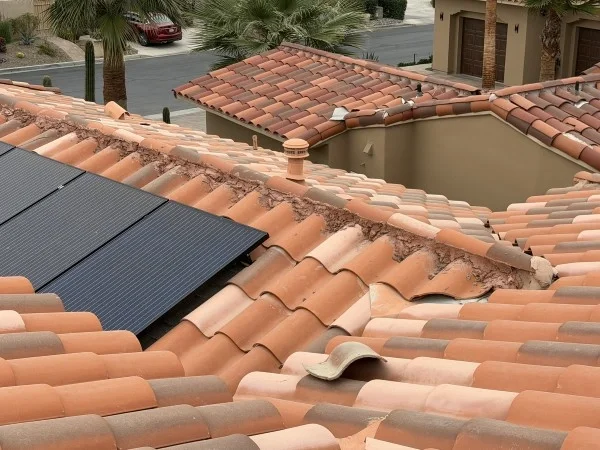
The Pros of Solar Roofing
The real wins are clean power, more control over your energy, and a roof that outlasts asphalt.
Solar roofing runs on clean energy
A solar roof makes electricity straight from sunlight, with no carbon emissions while it runs. A gas or coal plant can't say that. The sun isn't running out, either, and that's the simple case for solar.
To shrink your home's footprint, a solar roof is one of the bigger moves you can make, alongside other earth-friendly upgrades like insulation and modern appliances.
Energy independence is the real draw
The strongest reason most homeowners go solar isn't the planet. It's control.
When your roof makes power, you depend less on the grid and on whatever the utility decides next. Extra power can flow back to the grid instead of going to waste. Add a battery, and you keep the lights on when the neighborhood goes dark. Without storage, though, a solar roof does little in an outage.
What is shared solar, and who is it for?
Shared solar lets you go solar without touching your own roof. You buy into a larger array built off-site, sometimes called community solar or a solar garden, and the electricity your share produces gets counted toward your home.
This is the fix for houses that aren't built for panels. Too much shade, a roof that's too small, or a rental you can't change. For a home where rooftop solar doesn't fit, a community solar program covers the same ground.
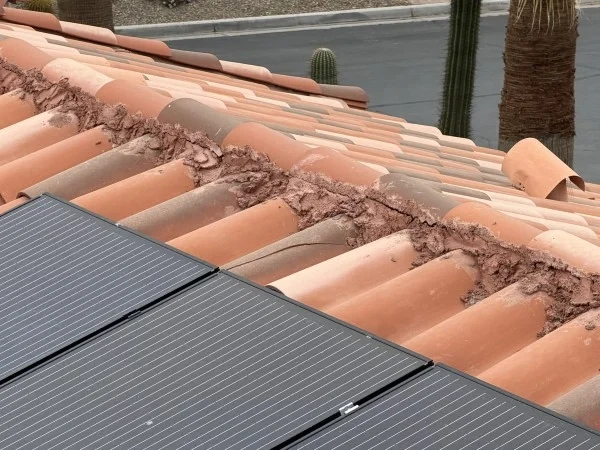
How long does a solar roof last?
A solar roof usually runs 25 to 30 years, and most come with warranties around that long. A standard asphalt shingle roof gives you 15 to 20. So a solar roof can outlast the roof it replaces by a decade.
Upkeep is light. You rinse dust and debris off two to four times a year, and that's about it. Asphalt roofs ask for more, like clearing moss, swapping cracked shingles, and resealing. A solar roof also lands near the top for roof lifespan by material.
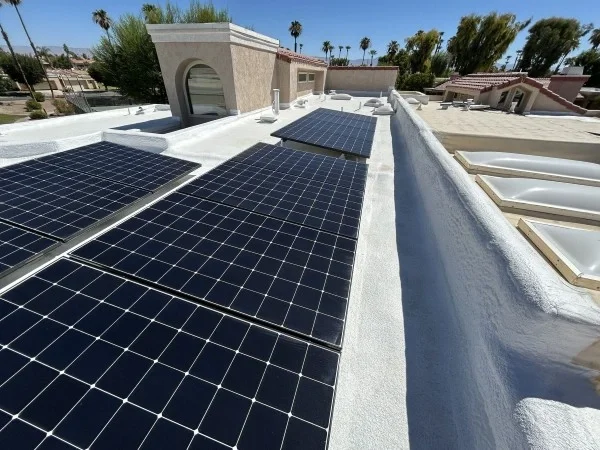
You're not stuck with bulky blue panels anymore
Solar roofing used to mean clunky blue rectangles bolted on top of your shingles. Not anymore. The newer integrated products come in a range of colors and profiles, and some read as a normal roof from the street.
It matters more than people expect, since your roof is a big share of the home's curb appeal, and a version that looks like a roof instead of a science project protects it.
Still, I'll be honest about the flip side. Buyers are split on the look. Some love a clean integrated roof; others would rather see familiar panels, or no solar at all. The design has come a long way, but it won't please everyone.
The technology keeps improving
It keeps getting better, and fast. Each new generation of shingle squeezes out more power, mounts more like regular roofing, and hides the hardware better.
The building-integrated solar market, the category it falls under, is growing by about 21% a year through 2030, by Grand View Research's estimate. The U.S. Bureau of Labor Statistics expects solar installer jobs to grow 42% between 2024 and 2034, among the fastest of any job in the country. Modern solar shingles now put out more than 50 watts each, up from the low 40s a few years back.
The Cons of Solar Roofing
The downsides are real. A solar roof leans on sunlight, doesn't fit every house, and is harder to repair and install than regular panels. None of these kills the idea alone. Together, they decide whether it's right for you.
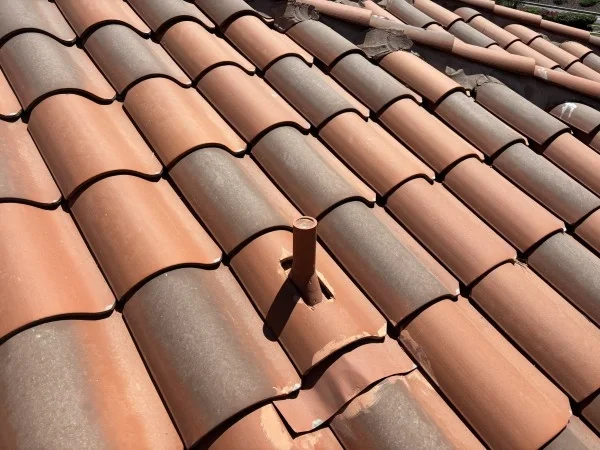
Solar roofing leans on the sun
A solar roof only makes power when sunlight reaches it. That sounds obvious, and it's the whole catch. Cloudy stretches, short winter days, and anything that throws shade pull your output down.
Trees are a common culprit, along with north-facing slopes and tall buildings next door. Two identical solar roofs, one in sunny Arizona and one under Pacific Northwest cloud, won't make anywhere close to the same power. Geography decides a lot before the first shingle goes on, and on a long gray stretch your roof may not cover everything your home uses.
Will solar roofing work on your house?
It won't work on every house, and that's the con people underestimate most.
Older roofs built from slate or cedar make mounting hard. Skylights and rooftop decks eat into usable space. Solar needs surface area to do anything worthwhile, so a roof that's too small won't generate enough to matter. City homes have it worse, with smaller roofs and taller buildings throwing shade across them.
A south-facing asphalt roof in Phoenix is an easy yes; a shaded, cut-up roof in a dense block is usually a no.
Repairs get more complicated
The brochures skip this one. A solar roof is harder to repair than a rack of panels sitting on top of a roof.
The pitch you'll hear is that it's just panels but prettier. That's not quite right. Built-in roofs use proprietary parts and a lot of small connections, which means more spots that can fail. When one does, reaching it can mean pulling up roofing or calling a specialized crew. With bolt-on panels, you usually swap a single unit and move on.
Actually, that's not the sharpest way to put it. The bigger gap isn't repairs, it's output. Integrated tiles tend to make less power per square foot than the high-efficiency panels you'd mount separately, which often convert 18 to 22% of the sunlight they catch. You're trading some performance and easy fixes for a cleaner look, so know it's a trade. Before any of it, run through the questions worth asking first.
Can you find someone qualified to install it?
A solar roof needs two trades working as one, roofing and licensed electrical, and crews strong at both aren't easy to find.
The whole field is short on hands. A 2024 NRCA survey found about 85% of roofing contractors struggle to hire skilled workers, and that labor shortage keeps getting tighter. Add specialized solar skills on top, and the qualified pool gets small fast.
This is not a DIY job. The electrical work, permits, and code rules are real, and a bad install risks leaks, fire, and a voided warranty. Take your time vetting a roofing contractor, and confirm they've actually done integrated solar, not just panels. When you're ready, look for a team that handles professional solar roof installation, roofing and wiring both.
So, is solar roofing worth it in 2026?
For the right house, yes. For the wrong one, no. The deciding factor isn't the technology. It's your roof and your sun.
If your roof is near the end of its life and your home gets strong, unblocked sun, solar roofing is one of the better upgrades you can make. If your roof is shaded, small, or built from the wrong material, or it still has a decade of good life left, forcing solar onto it is the wrong call. The worst mistake I see isn't choosing solar. It's tearing off a perfectly good roof years too early to chase it.
So weigh your own roof before a sales pitch does it for you. It helps to start from guidance backed by current research rather than whoever knocks on your door. The team at Vision Roof Services weighs these trade-offs on Southern California roofs every week, and the answer changes house to house.
FAQs
Does solar roofing work on cloudy days?
Yes, but at reduced output. A solar roof still makes power on overcast days, just less of it, and a long gray stretch or heavy shade can pull production below what your home uses.
How long does a solar roof last?
Most solar roofs run 25 to 30 years and carry warranties around that long. That outlasts a standard asphalt shingle roof, which typically lasts 15 to 20 years.
Is solar roofing right for every home?
No. Solar roofing needs decent sun and enough usable roof surface, so heavily shaded lots, very small roofs, and older slate or cedar roofs are often poor fits.
Do solar shingles make as much power as regular solar panels?
Usually less. Integrated solar shingles tend to produce less power per square foot than high-efficiency rack-mounted panels, which often convert 18 to 22% of the sunlight they catch.
Will solar roofing keep my lights on during a power outage?
Only if you add battery storage. Without a battery, a solar roof shuts down during an outage for safety, so it won't power your home when the grid goes down.
How much upkeep does a solar roof need?
Very little. You rinse off dust and debris two to four times a year, and the system is built to run for 25 years or more with minimal maintenance.