Roof Rejuvenation: What It Actually Does For Homeowners
Roof rejuvenation is a spray-applied treatment that soaks into aging asphalt shingles to restore their flexibility and help them shed water again. On a roof that's still in fair shape, it can add years of life before you ever need a full tear-off. On a roof that's already failing, it does close to nothing. I've inspected enough Southern California roofs to know the difference usually comes down to one thing most homeowners never think to ask about.
What is roof rejuvenation? Roof rejuvenation is the process of applying a liquid treatment, often a soy-based or oil-based formula, to weathered asphalt shingles. It restores some of the flexibility and natural oils that shingles lose with age and sun exposure, helping them resist cracking, curling, and granule loss without replacing the roof.
This guide is about shingle rejuvenation for homes. I'm not getting into flat or commercial coating systems here, because those are a different animal with different rules. And I'm going to be plain with you about when rejuvenation helps and when it gets oversold, because plenty of roofers will tell you that second part and most marketing won't.
How Much Longer Does Roof Rejuvenation Make a Roof Last?
On shingles in fair-to-good condition, roof rejuvenation can add roughly five years of service life per treatment, and some manufacturers say you can reapply every few years to stretch that further. That's an extension, not a reset.
Asphalt shingles usually last 15 to 30 years, depending on the product, the install, and how hard the sun beats on them. Out here in the inland valleys, UV and heat age a roof faster than the box on the shingle bundle suggests.
Rejuvenation works by putting back some of the oils that keep shingles flexible. As shingles dry out, they get brittle, crack, and start dropping granules into your gutters. Slow that drying early and you slow the whole aging clock.
After years of doing this, my honest read is simple. The "add 15 years" claims are best-case, on roofs treated early and treated right. I tell homeowners to count on a few solid years per application and treat anything past that as a bonus. If you want a realistic picture for your own home, it helps to know how long roofs last in your climate before you decide to stretch it further.
When Should You Skip Roof Rejuvenation?
Skip roof rejuvenation if your roof is leaking, badly damaged, or near the end of its life. A treatment can't rebuild a shingle that's already shot, and sealing over a wet or rotting roof just traps the problem underneath.
This is where I break with a lot of my own industry. Some roofers call spray-on shingle treatments a gimmick, and on the wrong roof, they're right. The product isn't usually the problem. Skipped prep is.
The biggest mistake I see is treating a dirty, damaged, or soaked roof and calling it done. The National Roofing Contractors Association put out applicator guidelines in 2026 that drive this same point home: evaluate the roof and prep it properly, or the coating fails early.
So before anyone sprays anything, the roof needs a real look. A proper roof inspection tells you whether you've got a candidate for rejuvenation, a roof that needs repairs first, or a roof that's already done. If a contractor wants to treat your roof without climbing up and checking the deck, that's your cue to call someone else.
A roof nobody inspected is not a roof you should be spraying.
Skip the Tear-Off and Keep Your Existing Roof
A full roof replacement means tearing every shingle off down to the deck, hauling it away, and living with the noise and mess for days. Roof rejuvenation skips all of that and works with the roof you already have.
For a homeowner whose roof is simply aging, not failing, that's a real upside. No dumpster parked in your driveway for a week. No nail-gun racket at 7 a.m. No exposed deck if an afternoon storm rolls in mid-job.
This works best for shingle roofs in fair-to-good shape. For a roof that's leaking or cracked across the field, the idea falls apart, because you'd be dressing up a roof that needs to come off. Actually, let me sharpen that. It's less about the roof's age and more about its condition. I've treated 18-year-old roofs that were great candidates and turned down 12-year-old roofs that weren't.
If your roof checks out, a round of professional roof rejuvenation lets you push the big project down the road without ignoring the roof in the meantime.
Does Roof Rejuvenation Lower Insurance Claims?
Indirectly, yes. A more flexible, better-sealed roof is less likely to lose shingles or leak in a storm, and the roof is the single biggest source of weather claims on a home.
The Insurance Institute for Business & Home Safety reports that roof damage drives an estimated 70% to 90% of insured residential losses in severe weather.
IBHS research after Hurricane Sally in 2020 found that homes built to stronger roof standards took less damage and filed fewer claims than standard-built homes nearby. Rejuvenation isn't the same as that kind of structural upgrade, but the logic runs in the same direction. A roof that holds together means fewer headaches for everyone, including the insurer.
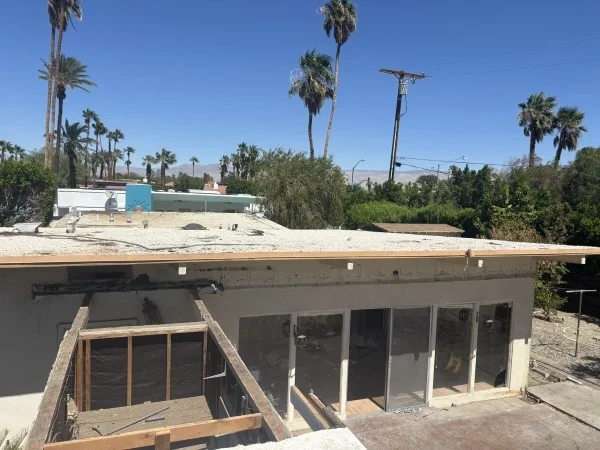
Before you assume a treatment changes anything on your policy, understand what your policy covers, because coverage for normal wear-and-tear is very different from coverage for storm damage.
Why Insurers Like a Well-Kept Roof
Insurers assess risk, and an older, dried-out roof is a bigger risk than a maintained one. Anything that keeps a roof in shape longer fits what carriers want to see.
Some carriers look more favorably on roofs that meet hardened-roof standards in storm-prone states. I want to be clear about something marketing tends to blur. Rejuvenation is maintenance, not a structural upgrade. It won't, on its own, earn you a hardened-roof designation.
What it can do is keep your roof out of the "aging and neglected" pile that makes underwriters nervous. A cared-for, documented roof is easier to insure than one left alone for two decades.
Less Roofing Waste in the Landfill
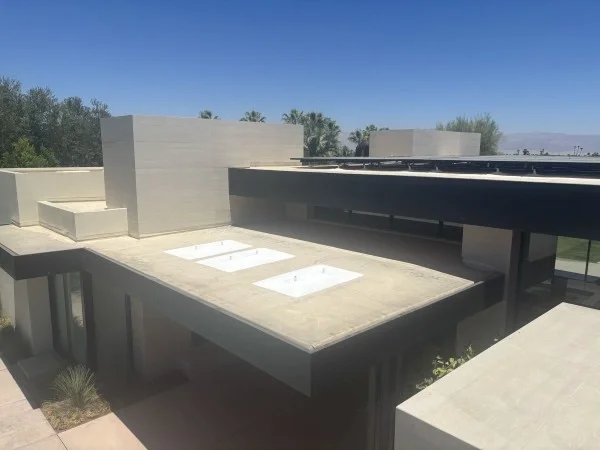
Every roof you don't tear off is a few tons of shingles that don't get buried. At a national scale, that adds up fast.
The EPA estimates that 11 to 13 million tons of asphalt shingles get torn off U.S. roofs every year, and close to 90% of that goes straight to landfills instead of being recycled. A torn-off shingle can sit there for an estimated 300 years before it breaks down.
Roughly three out of four American homes wear asphalt shingles, so the pile is enormous. Stretch the life of even a slice of those roofs and you keep a lot of petroleum-based material out of the ground.
Most homeowners don't pick rejuvenation for the planet. It's still a real side benefit, and a fair one to mention.
The Roof Rejuvenation Market Is Growing
Demand for roof restoration is climbing as more homeowners look for an alternative to full replacement. Shingle rejuvenation is a newer, smaller slice of that, but it's growing too.
Analysts at Zion Market Research put the global roof coatings market on a path of about 3.5% growth a year through the early 2030s, while Grand View Research tracks reflective "cool roof" coatings growing closer to 7% a year. The U.S. Bureau of Labor Statistics counts more than 150,000 working roofers, and restoration is part of what's keeping crews busy.
Where Roof Rejuvenation Makes Sense
The advice I give every homeowner who asks is simple. Rejuvenation is a smart, low-disruption move for an asphalt roof that's aging but still sound, and a poor one for a roof that's already failing. The roof's condition decides everything, which is why a real inspection comes first, every time.
If you're in Southern California and not sure which camp your roof falls into, the crew at Vision Roof Services can tell you straight, usually after a quick climb and a look under a few shingles. Start with a free roof health check, find out what your roof actually needs, and make the call from there. Treat the right roof at the right time and roof rejuvenation earns its place. Treat the wrong one and no spray on earth will fix it.
FAQs
What is roof rejuvenation?
Roof rejuvenation is a spray-applied treatment that restores flexibility and oils to aging asphalt shingles so they resist cracking, curling, and granule loss. It works on roofs in fair-to-good condition and can add roughly five years of life per treatment. It is not a repair for a roof that is already leaking or worn out.
Does roof rejuvenation actually work?
Yes, on the right roof. On shingles that are aging but still sound, rejuvenation restores flexibility and slows granule loss. On a damaged, soaked, or end-of-life roof it does little, and most failures trace back to skipped surface prep rather than the product itself.
Will roof rejuvenation stop an existing leak?
No. Rejuvenation helps prevent future leaks by sealing minor surface cracks, but it cannot fix active leaks or hidden damage. A leaking roof needs repairs first, and spraying over trapped moisture usually makes things worse.
How long does roof rejuvenation last?
Most treatments add about five years of life per application, and some manufacturers say you can reapply every few years to extend that. Real-world results depend heavily on the roof's starting condition, your climate, and sun exposure. Annual roof checks help you time the next treatment.
Can roof rejuvenation lower my insurance risk?
It can help indirectly. A flexible, well-sealed roof is less likely to fail in a storm, and the Insurance Institute for Business & Home Safety reports that roof damage drives an estimated 70% to 90% of insured residential losses in severe weather. Rejuvenation is maintenance, though, not a structural upgrade, so it won't by itself earn a hardened-roof designation.
Is roof rejuvenation good for the environment?
Yes. Extending a roof's life keeps tons of old shingles out of landfills. The EPA estimates that 11 to 13 million tons of asphalt shingles are torn off U.S. roofs each year, and close to 90% are landfilled rather than recycled.