So how long does a roof last? Most roofs last 20 to 50 years. The material sets the range, and the rest is up to your climate, your installer, and your upkeep. Asphalt shingles run about 20 to 30 years. Metal lasts 40 to 70. Clay tile and slate can pass 50, and some slate roofs reach 100. Flat and commercial systems like TPO, EPDM, and built-up roofing usually give you 20 to 30 years. Spray foam is the exception, and it's the one most building owners never hear about: recoated on schedule, a foam roof can run past 50 years with no full tear-off.
I've worked on roofs since 1992, and Vision Roof Services has finished around 7,500 of them across Southern California, Arizona, Nevada, and Texas. This guide gives you the real lifespan for every common material, what cuts those years short, and how to tell whether your roof needs a repair, a recoat, or a full replacement.
Roof lifespan is the number of years a roofing system keeps a building watertight before it needs full replacement. You measure it from the day it goes on to the day repairs or recoating can no longer hold back water. Four things decide where your roof lands in its range: the material, the local climate, the quality of the install, and how well it gets maintained.
How long does a roof last by material?
| Roofing material | Typical lifespan | Approx. installed cost per sq ft | Best fit |
|---|---|---|---|
| Asphalt shingles | 20 to 30 years | $4 to $7 | Budget residential |
| Metal (standing seam) | 40 to 70 years | $6 to $16 | Long-term homes, low slope |
| Clay or concrete tile | 50 to 100 years | $10 to $25 | Hot, dry climates |
| Slate | 75 to 150 years | $15 to $30 | Premium residential |
| Built-up roof (BUR) | 15 to 20 years | $4 to $10 | Flat commercial |
| Modified bitumen | 15 to 25 years | $4 to $10 | Flat, low traffic |
| EPDM (rubber) | 20 to 30 years | $4 to $13 | Flat commercial |
| TPO | 20 to 30 years | $5 to $14 | Flat commercial, reflective |
| PVC | 20 to 30 years | $6 to $15 | Restaurants, industrial |
| Spray foam (SPF) | 30 to 50-plus years | $4 to $10 | Flat and low slope, energy |
Costs are national ballpark ranges for materials plus labor, and they move with your region and roof complexity. The lifespan figures are typical. Your roof can beat them with good maintenance or fall short with none.
Residential roofs: asphalt, metal, tile, and slate
Asphalt shingles: 20 to 30 years
Asphalt is the most common residential roof in the country, on roughly three out of four homes. The National Association of Home Builders' life expectancy study puts a shingle roof near 20 years, and better shingles push that to 30. Three-tab shingles sit at the low end. Architectural and multilayer shingles cost more and last longer. In hard sun and high heat, asphalt ages faster, which matters a lot on the residential roofs we install across the desert.
Metal roofing: 40 to 70 years
A metal roof handles wind, rain, hail, and fire better than shingles, and it can last two to three times as long. Standing seam is the workhorse. Copper can run past 70 years. The trade-off is upfront cost, so metal pays off best when you plan to keep the building. It also works on low-slope roofs, which is why you see it on both homes and commercial projects.
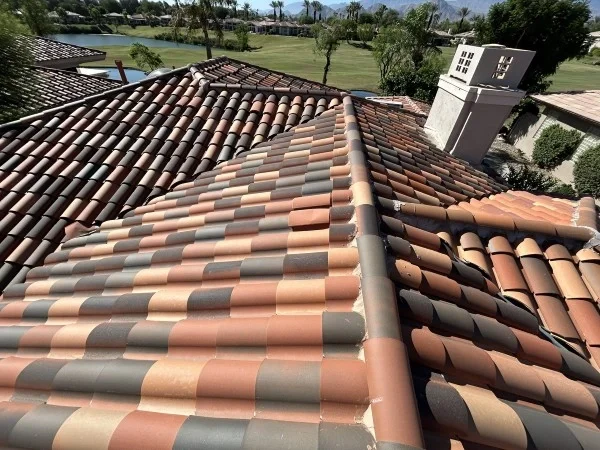
Clay and concrete tile: 50 to 100 years
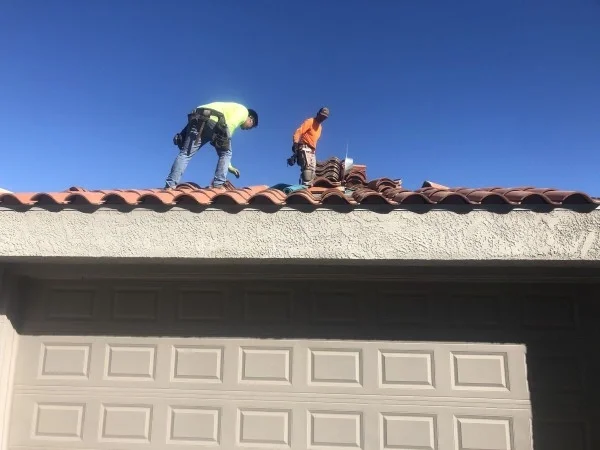
Tile suits hot, dry climates, which is why it's everywhere in Southern California. It shrugs off sun and fire and can outlast the structure under it. The catch is weight: tile is heavy, so the framing has to carry it. Individual tiles crack and need swapping, and freeze-thaw cycles are hard on them, so tile is a poor pick for cold regions.
Slate: 75 to 150 years
Slate is real stone, and it lasts longer than any other common roof. The NAHB study and most manufacturers put quality slate past 50 years, and hard slate can see well over a century. It costs the most, and it needs an installer who knows slate specifically. Get that wrong and the longevity disappears.
How long does a flat or commercial roof last?
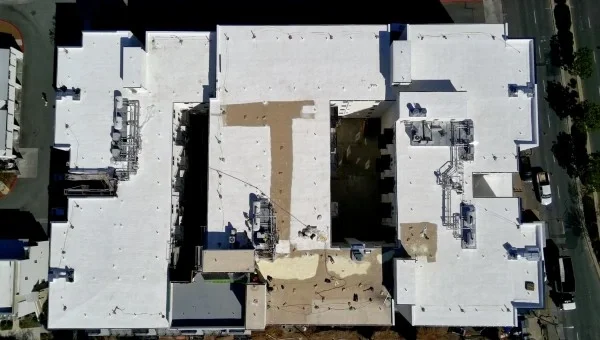
Flat and low-slope roofs use different materials than a pitched shingle roof, and they usually last 20 to 30 years. This is the part most roof lifespan articles skip, even though flat roofs cover the majority of commercial buildings and a growing share of modern homes. On our commercial roofing jobs, the system you pick drives both the lifespan and the maintenance plan.
Built-up and modified bitumen: 15 to 25 years
Built-up roofing (BUR) is the classic tar-and-gravel roof, layered for a thick, durable surface, good for 15 to 20 years. Modified bitumen is its modern cousin, with reinforced sheets that handle foot traffic and last around 20 to 25 years. Both are proven, and both add weight and can struggle with standing water.
EPDM and TPO: 20 to 30 years
EPDM is the black rubber membrane you've seen on flat commercial roofs for decades, and a well-kept rubber roof lasts 20 to 30 years. TPO is the white single-ply that reflects heat, which cuts cooling costs in a hot climate. Our TPO roofing installs run 20 to 30 years when the seams are welded right. Seam quality is everything on single-ply, and it's where cheap installs fail early.
PVC: 20 to 30 years
PVC membrane resists chemicals and grease, so it's the go-to over restaurants and industrial buildings. It welds into a watertight surface and holds up 20 to 30 years. It costs more than TPO, and it earns that on the right building.
How long does a spray foam roof last?
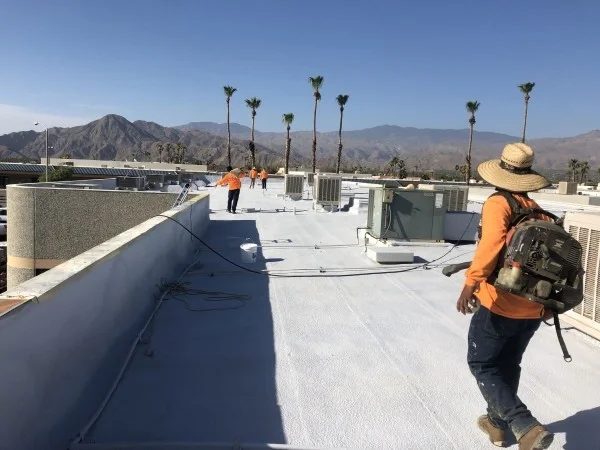
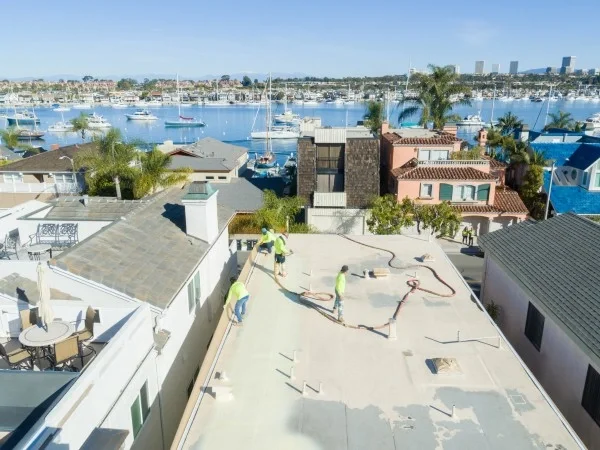
A spray foam roof lasts 30 to 50 years, and here's the part the other guides miss: with recoating, there's no hard expiration date. The Spray Polyurethane Foam Alliance reports SPF roofs last 40 years or more when they're recoated every 10 to 15 years. One foam roof installed in 1972 at Playhouse Square in Cleveland was still in service decades later. Recoat the silicone or acrylic top layer on schedule and the foam underneath is never torn off.
This is where I part ways with most roofing articles. "How long does a roof last" assumes every roof has an end date. For spray foam roofing and coated flat roofs, that framing is wrong. A foam roof is a renewable system. You're buying a roof you top up every decade or so instead of one you rip off and rebuild.
Spray foam does three jobs at once. It seals the roof with no seams, which is where most leaks start. It adds insulation right on top of the deck. And coated white, it reflects sun: the U.S. Department of Energy reports reflective roof coatings can cut a commercial building's air conditioning energy use by up to 25 percent, and a reflective surface can run as much as 100 degrees cooler than a dark one. In the Coachella Valley, where a dark roof can climb past 150 degrees in summer, that gap shows up on the power bill.
There's a real trade-off. Foam costs more upfront than a patch job, and it needs a certified applicator, because a bad foam install fails fast. Twelve of our 60 roofers are certified foam applicators, and we carry General Coatings certification. On buildings for Yamaha, Paramount Studios, and LifeStorage, foam has held up because it was installed and maintained right, not because foam is magic.
What shortens a roof's life?
Climate does the most damage, and in our market that means sun, not snow. Constant UV and 150-degree roof surfaces bake asphalt and dry out sealants years faster than a mild coast would. The Department of Energy and the EPA both point to cool roofs as a fix in hot zones, because a reflective surface takes less thermal beating.
Installation quality is next, and it's the one you control at purchase. The best material fails early over bad flashing, wrong fasteners, or sloppy seams. Ask who actually does the work and what they're certified in.
Ventilation matters more than people think. A hot, damp attic cooks shingles from below and warps decking. Good airflow keeps the roof closer to the outside temperature.
Slope and drainage decide how water leaves. Flat roofs that pond water fail early, so tapered insulation and clear drains earn their keep. And maintenance is the multiplier on all of it. A roof inspected once a year and after big storms simply lasts longer.
Repair, recoat, or replace: which does your roof need?
Start with the cheapest fix that actually solves the problem. A few missing shingles or a small flashing leak is a roof repair, not a new roof. The common rule: if a repair costs more than half the price of a full replacement, replace instead.
But most articles leave out the middle option, and it's the best one for flat and foam roofs: recoat. If your flat roof is still watertight but the coating is worn, a fresh coat restores the surface and adds years for a fraction of replacement cost. That's the whole point of a foam system. If your roof is structurally sound, we'd rather recoat it than sell you a tear-off.
Replace when the deck is wet, the roof sags, or leaks keep coming back after real repairs. At that point you're paying to chase failures instead of fixing them.
Signs your roof is near the end
Watch for shingles that curl, crack, or go missing across large areas. Granules piling up in your gutters mean asphalt shingles are breaking down. On a flat roof, look for blisters, splits, seams pulling apart, and water that sits for days. Inside, stains on the ceiling, daylight in the attic, or leaks that return after repairs all point to a roof past its prime. Moss, mold, and a roof simply older than its range round out the list. When you're not sure, get it inspected before the next storm decides for you.
How to get the most years from your roof
Maintenance is the difference between a roof that hits the low end of its range and one that beats the high end. Inspect at least once a year and after major storms. Keep gutters clear, clear debris, and cut back branches that scrape the surface. Fix small problems while they're still small.
That's the thinking behind our free Roof Health Check: we check the surface, flashing, drainage, and structure, then send you a written report with photos within 24 to 72 hours, so you know exactly where the roof stands before you spend a dollar. For commercial buildings and HOAs, a roof maintenance plan with a set recoat schedule is what takes a 20-year roof to 40. Our Palm Desert office holds a 4.8-star rating across 42 Google reviews, and most of that comes down to catching problems early.
FAQs
How long does a roof last on a house?
Most houses have asphalt shingles, which last 20 to 30 years. Tile and slate homes can go 50 to 100 years, and metal roofs 40 to 70. The National Association of Home Builders puts a standard shingle roof near 20 years, with better shingles and good maintenance reaching 30.
How long does a flat roof last?
A flat roof lasts about 20 to 30 years for TPO, EPDM, and PVC membranes, and 15 to 25 years for built-up or modified bitumen. Spray foam lasts longer, 30 to 50 years or more, because it can be recoated instead of replaced.
How long does a spray foam roof last?
A spray foam roof lasts 30 to 50 years, and effectively longer with upkeep. The Spray Polyurethane Foam Alliance reports 40 years or more when the roof is recoated every 10 to 15 years. Because only the top coat is renewed, a foam roof has no hard replacement date.
How long does a commercial roof last?
Most commercial roofs last 20 to 30 years, depending on the system. Single-ply membranes like TPO and EPDM run 20 to 30 years, built-up around 15 to 20, and spray foam 30 to 50 or more. Maintenance and recoating decide where yours lands.
Does a metal roof really last 50 years?
Yes, and often longer. A quality standing seam metal roof lasts 40 to 70 years, and copper can pass 70. The metal outlives the coating and fasteners, so those get checked and refreshed over time.
When should you replace a roof instead of repairing it?
Replace when repair costs pass about half the price of a new roof, when the deck is wet or sagging, or when leaks keep returning. For flat and foam roofs, ask about a recoat first, since it often adds a decade for far less than replacement.
How often should a roof be inspected?
At least once a year, and again after any major storm. Commercial and foam roofs do best with a set maintenance and recoat schedule. Early inspections catch small issues before they turn into leaks or structural damage.
How long will your roof last? Let's find out
Vision Roof Services has finished around 7,500 roofs since 2014, from single-family homes in the Coachella Valley to commercial buildings for Yamaha and LifeStorage. If "how long does a roof last" is your question, the real answer comes from an inspection, not a chart. Book a free Roof Health Check and we'll send you a written report with photos within 24 to 72 hours.