
How Long is a Roof Warranty & How it Affects a Homeowner's Decisions
Summary:
Roof warranties vary and affect big decisions:
Manufacturer warranties cover materials (10–50 years)
Workmanship warranties cover labor (1–10 years)
Solar panels and poor installs can void your warranty
Home warranties may offer limited leak coverage
Many warranties are transferable
Understand terms to protect your investment and roof lifespan
Understanding Your Roofing Coverage for Long-Term Peace of Mind
Buying or replacing a roof is one of the biggest investments a homeowner can make. So naturally, one of the first questions that comes up is: how long is a roof warranty?
The answer varies depending on the types of roofing, materials used, and who performs the roofing install. But more importantly, understanding the details of your warranty—and what can void it—can greatly impact your decisions both now and in the future.
Let’s break down the most common types of roof warranties, what they do (and don’t) cover, and how they affect your long-term roofing choices.
Types of Roof Warranties
There are generally three main types of roof warranties:
Manufacturer’s Warranty (Material Warranty): This covers defects in the roofing materials themselves—like warped or cracked asphalt shingles—but not labor or improper installation. Coverage can last anywhere from 10 years to a lifetime, depending on the product.
Workmanship Warranty: Offered by your roofing contractor, this covers mistakes made during the roofing install. These warranties typically last 1–10 years.
Extended or System Warranty: Some manufacturers offer extended warranties that cover the full roofing system (materials + labor) when installed by certified professionals.
Knowing which type you have helps you understand what to expect when there’s damage to your roof or issues arise later on.
How Long Is a Roof Warranty?
So, really—how long is a roof warranty? It depends:
Basic material warranties often start at 10–20 years
Premium asphalt shingles may have warranties of 30–50 years, or even limited lifetime coverage
Workmanship warranties vary based on your contractor and local regulations
Some roof replacement jobs come with a bundled warranty package that covers both materials and installation for 20+ years
If you’re unsure, always ask for warranty documents at the time of installation. They’ll outline exact terms, durations, and any maintenance requirements.
What Voids a Roof Warranty?
Unfortunately, even the best warranty can be voided under certain conditions. Here’s what voids a roof warranty:
Improper installation by non-certified contractors
Structural modifications that affect the roof
Adding solar panels or satellite dishes without following guidelines
Lack of maintenance or failing to address minor roof problems
Using incompatible products during repairs
Thinking about going solar? Do solar panels void roof warranty coverage? The answer is: potentially. Installing panels incorrectly or without notifying your contractor or manufacturer may void your warranty. Always check with both the roofing and solar companies first.
Does Home Warranty Cover Roof?
If you’re purchasing a home warranty plan, you might wonder: does home warranty cover roof repairs or roof leaks?
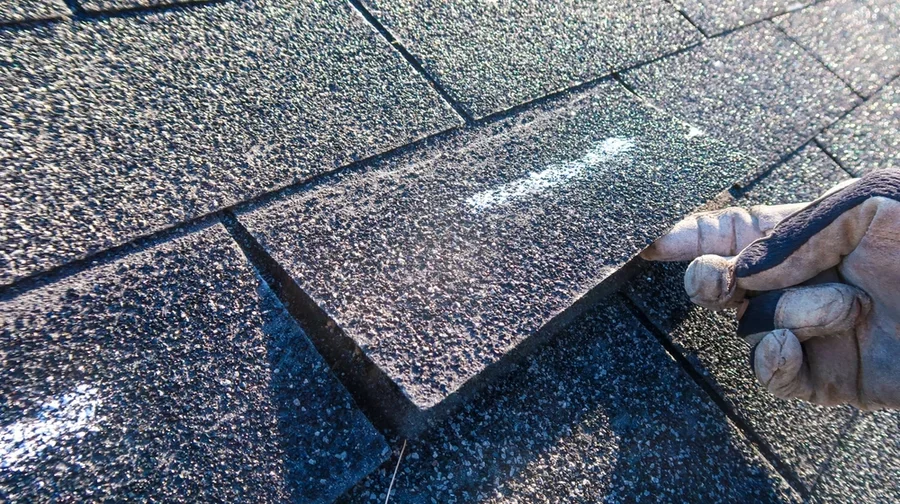
Some home warranties offer limited roof leak coverage, especially for older homes—but this often excludes full roof replacement or issues caused by poor installation. Be sure to read the fine print. Ask specifically: does home warranty cover roof leaks or structural damage, or is it strictly minor patching?
Are Roof Warranties Transferable?
Good news—are roof warranties transferable? Often, yes! Many warranties can be transferred to a new homeowner, though some require registration or a small fee.
This is an important selling point if you plan to move. A transferable warranty can offer the next owner the same peace of mind you’ve enjoyed.
Why Warranty Knowledge Affects Homeowner Decisions
Understanding your roof warranty isn’t just a formality—it should influence:
Which contractor you hire: Make sure they offer a solid workmanship warranty and follow proper installation procedures.
Which materials you choose: Different products offer different coverage lengths.
How you maintain your roof: Regular inspections and timely repairs help maintain your roof and protect your warranty.
What upgrades you add: Installing something like solar? Coordinate it with a roofer to avoid voiding the warranty.
The Bottom Line: Protect Your Investment
Warranties provide protection, but only if you understand them. Know what’s covered, what isn’t, and how to keep your warranty intact. From material warranties to full system guarantees, this knowledge empowers you to make smart choices, avoid unnecessary costs, and truly protect your home.
If you’re unsure about your coverage or planning a roof replacement, contact Vision Roof Services. Our team of roofing experts will walk you through your options, help you understand your warranty, and ensure your roofing install meets the highest standards for long-term performance.
Double-click to edit...