6 Common Roof Types: What Each Costs And How To Choose
The six most common roof types are gable, hip, gambrel, mansard, shed, and flat. Gable and hip cover most American homes; the other four show up on certain house styles or modern builds. The shape of your roof matters far less than the material on it and the crew that installs it. A gable with cheap shingles fails long before a flat roof done right.
Picture two homeowners. One spends about $8,000 on a new asphalt roof, the other north of $40,000 on slate. Same house, very different bill, and the reason has little to do with the shape. Asphalt alone makes up roughly 58% of the US roofing market, so most of this is about material and money, not geometry. This guide covers all six shapes, their real costs, and how to choose. I'll skip the oddball hybrids, like bonnet, butterfly, and sawtooth roofs.
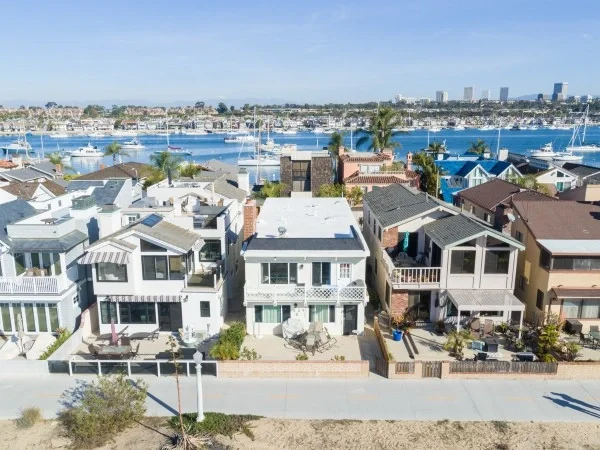
What are the most common roof types?
The most common roof types are gable, hip, gambrel, mansard, shed, and flat. Each is defined by how many slopes it has and which way they run. That trait drives how well a residential roof sheds water, how much attic space you get, and how much shows from the curb. More than a third of owner-occupied homes were built before 2000, so plenty are due for replacement soon.
Table 1. The six common roof types at a glance.
| Roof type | Shape | Sheds water | Attic space | Street visibility | Relative build cost |
|---|---|---|---|---|---|
| Gable | One ridge, two slopes | Very well | Good | High | Lowest |
| Hip | Four slopes | Well | Less | Low to moderate | Higher (engineered) |
| Gambrel | Two slopes per side | Well | Most | High | Low to moderate |
| Mansard | Four sides, two slopes | Moderate | Most (livable) | High | Highest |
| Shed | One slope | Well if pitched | Varies | Low to moderate | Low |
| Flat | Near-level | Needs drainage | None | None | Low to moderate |
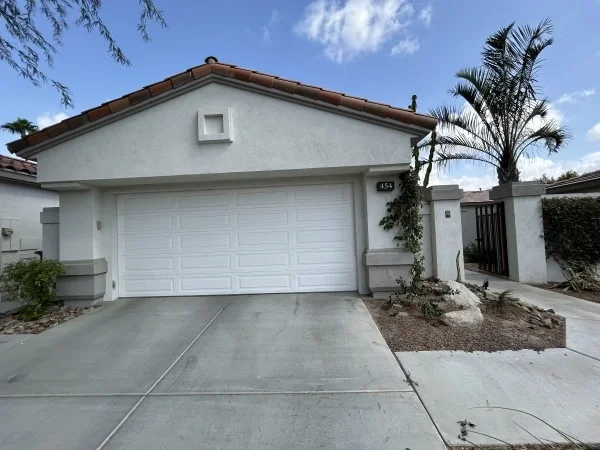
Gable roofs: the most common shape, and why
A gable roof is the classic two-slope shape that meets at one ridge, forming an A head-on. It's the most common roof in the country, for good reason. It's cheap to frame, it sheds rain and snow well, and it leaves room for a vented attic. The trade-off is wind. In a strong gust, that big end wall catches wind like a sail, so bracing matters in storm country. Before you fall for a look, it helps to know what a new roof costs.
Hip roofs: stronger, pricier, lower-profile
A hip roof slopes down on all four sides, with no flat end walls. That shape is its main advantage. With no broad gable to catch wind, hip roofs hold up better in storms, part of why they're common in hurricane country. The downside is cost and attic space: more slopes, more framing, more labor, tighter attic. Pairing a hip roof with a sealed roof deck buys even more storm resistance, since sealing the deck cuts water intrusion sharply when shingles blow off.
Gambrel roofs: the barn-style roof
A gambrel is the barn roof: two slopes on each side, gentle up top and steep below. That steep lower slope is the point. It turns cramped attic into a usable floor, which is why gambrels sit on Dutch Colonials and carriage houses. The catch is weather. Gambrels handle heavy snow and high wind worse than a hip does, and the flatter top needs solid flashing and upkeep. It's a lot of roof for the money, but more upkeep.
Mansard roofs: a roof you can live in
A mansard is a four-sided gambrel, French in origin, with two slopes on every side and a nearly flat top. The steep lower walls often hold dormer windows, turning the top floor into a full living level. That extra story is the appeal, common on grand old homes and additions. They're also the priciest of the six to build, with complex framing and lots of visible surface to get right.
Shed roofs: the single-slope modern look
A shed roof is one flat plane tilted in a single direction, like half a gable. Now it's a signature of modern design on new builds, often stacked at offset angles for a clean look. It's simple and cheap to frame, and a steep pitch sheds water fine. Keep the slope too shallow, though, and you've built a flat roof with the same drainage headaches. Material choice depends more on pitch than looks here.
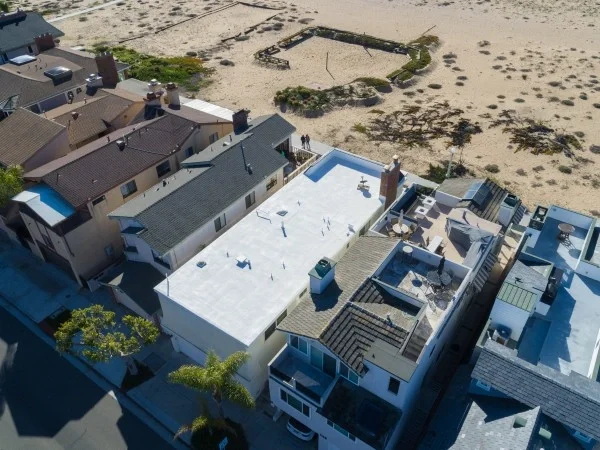
Are flat roofs a mistake on a house?
No, a flat roof isn't a mistake, but it's less forgiving than a sloped one. Flat roofs are standard on commercial buildings and modern homes. Despite the name, they carry a slight pitch so water can drain. With nowhere for water to run fast, a flat roof is prone to pooling and leaks, so the membrane and drains must be right. The upside in a hot climate is real. A reflective roof runs far cooler than a dark one in full sun, which trims your cooling bill, and California's Title 24 code pushes many low-slope roofs toward cool surfaces. If you want the look, read up on flat roof systems first.
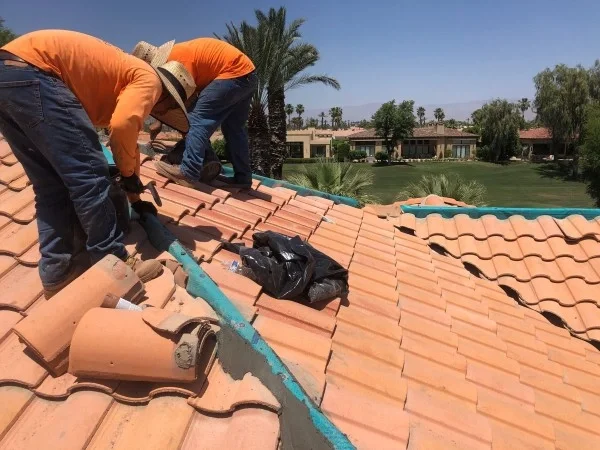
How do you choose the right roof type?
To choose a roof, start with climate and material, then let the shape follow.
1. Match the material to your weather first. What works for a hot, dry climate isn't what you'd pick for heavy snow. Reflective metal and tile shine in the sun; steep shapes shed snow.
2. Price the whole life of the roof, not the sticker. A cheap roof you replace twice costs more than one good roof, so it helps to know how long each material lasts before comparing prices.
3. Check what your house can carry. Tile and slate are heavy, and an older home may need structural work before it can hold them.
4. Then pick the shape, now mostly about looks, attic space, and your home's style.
There's one thing nobody mentions. Install quality outranks every item on that list. Roughly 85% of roofing contractors say they can't find enough skilled labor, so a careful crew is worth more than a fancy shape.
Table 2. Roofing material cost and lifespan (installed, national averages).
| Material | Installed cost / sq ft | Total (~1,700 sq ft) | Lifespan | Best for |
|---|---|---|---|---|
| Asphalt shingles | $3.40-$5.95 | $5,840-$10,100 | 20-40 yrs | Most homes |
| Metal (standing seam) | $6-$24.50 | $10,245-$41,640 | 40-70+ yrs | Heat, long stays |
| Clay / concrete tile | $6.30-$12.30 | $10,665-$20,900 | 50-100 yrs | Hot, dry climates |
| Wood shakes | $6-$9.15 | $10,230-$15,500 | 30-50 yrs | Look, with upkeep |
| Slate | $23.49-$31.77 | $39,925-$54,020 | 50-150 yrs | Historic, high-end |
Installed national averages for a roughly 1,700 sq ft roof (materials plus labor; tear-off often extra). Cost figures reflect 2025-2026 national roofing cost data, cross-referenced with This Old House. Lifespans from manufacturer and industry data.
Take one thing from this. Among all the roof types, the shape is the smallest decision you'll make. Get the material and crew right and almost any shape lasts decades. When you want real numbers, get a few quotes from a local roofing team and compare them.
FAQs
What are the most common roof types for homes?
The six most common roof types are gable, hip, gambrel, mansard, shed, and flat. Gable and hip roofs dominate American homes, while gambrel, mansard, shed, and flat roofs appear on specific styles or modern builds.
Which roof type holds up best in high winds?
A hip roof handles high winds better than most common shapes. Its four sloped sides give wind less to push against than the tall end wall of a gable. Sealing the roof deck adds more protection, since a sealed deck cuts water intrusion sharply if shingles blow off.
Is a metal roof better than asphalt shingles?
It depends on how long you plan to stay in the home. A metal roof lasts about 40 to 70 years, while asphalt shingles last 20 to 40 years, so metal can outlast two shingle roofs. Metal also reflects more heat, which helps in a sunny climate.
Which roof type lasts the longest?
Material drives lifespan more than shape. Slate lasts 50 to 150 years, clay or concrete tile 50 to 100 years, metal 40 to 70 years, and asphalt shingles 20 to 40 years.
What roof is best for a hot, sunny climate?
A reflective roof works best in heat. Light-colored metal, clay or concrete tile, and cool membranes stay much cooler in the sun. The U.S. Department of Energy notes a reflective roof can stay over 50 degrees cooler than a dark one, and California's Title 24 code favors these surfaces.
What is the most common roofing material?
Asphalt shingles are the most common roofing material in the United States, making up roughly 58% of the roofing market. They are popular because they install quickly and work on almost any sloped roof. Architectural shingles account for most of that demand.